
The Stone Age to the Iron Age
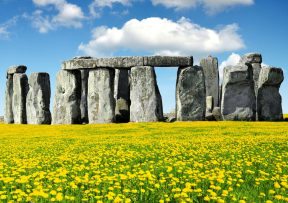
Welcome to our new look curriculum plans. Log in below to access the unit. This scheme of work is designed to meet the requirements of the National Curriculum study unit at Key Stage 2 ‘Changes in Britain from the Stone Age to the Iron Age’. It is made up of...
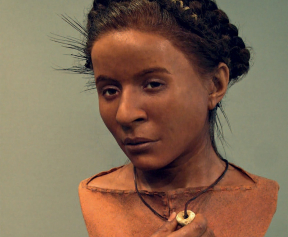
The Neolithic period provides many challenges – the huge length of time, the limitations of evidence, the many different aspects. This article suggests how a teaching programme might be structured to explore the period. It promotes the idea that these people, so distant in time, were much as we are...
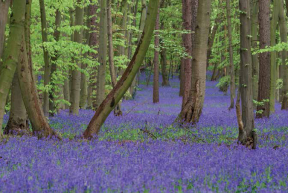
Michael Riley highlights the importance of educating children about the history of trees and woodland. He explores the potential of primary history to develop an understanding of our changing relationship with trees. The article shows how a focus on trees and woodland could enhance an existing history study, and suggests...
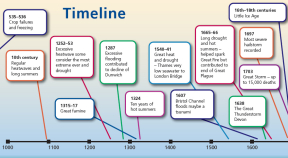
Tim Lomas has considered the effect that weather has had on shaping Britain. He explores how weather conditions and human actions have affected these islands and the communities living here. He suggests three potential areas of investigation. First, he looks at how weather changes might affect crop failure and so...
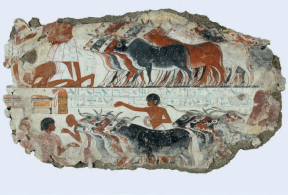
In this article Alison Kitson and Michael Riley consider the potential of the primary history curriculum to educate children about climate change and sustainability. They suggest some important principles, and a range of strategies, that could be used to develop a stronger emphasis on environmental history in primary history.
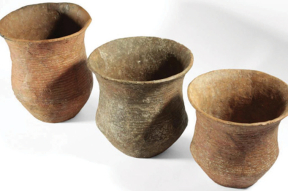
One of the requirements for the Key Stage 2 history curriculum is that children learn about changes in Britain from the Stone Age to the Iron Age. In some ways this is a challenging period to teach – the evidential record is patchy, it is open to interpretation, and there...
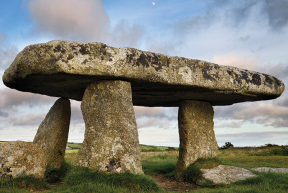
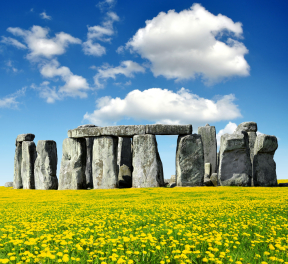
It is inconceivable that anyone teaching ancient Britain has not used some of the famous sites such as Stonehenge, Avebury, Skara Brae, the Ring of Brodgar or Stones of Stenness. They are vital sources of information for this period of history and the teaching usually introduces the element of mystery...
The first aim in the National Curriculum indicates that children should: Know and understand the history of these islands as a coherent, chronological narrative, from the earliest times to the present day: how people’s lives have shaped this nation and how Britain has influenced and been influenced by the wider...
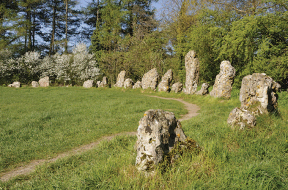
Those teaching the Stone Age to Iron Age will be aware that the range of sources can be seen as rather narrow largely because of the absence of written records. It often means resorting to artefacts and monuments. This article explores one stone site and how it can be used...
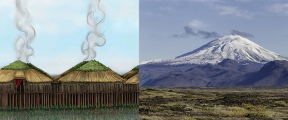
Recent discoveries have greatly altered our view of life in the Bronze Age. Must Farm, for example, was built in the Cambridgeshire Fens around 1000 BCE. Sometime around 1159 BCE (no-one is quite sure when) Hekla, a volcano in Iceland (a country no-one yet knew existed) erupted, throwing millions of...
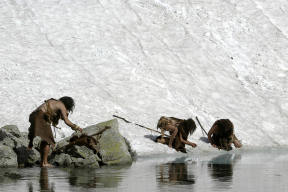
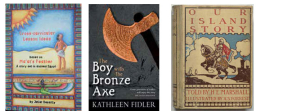
One of the hardest things for children to develop in history is a sense of period. What was it really like to live in a Stone Age house for example, to get up every morning knowing if you didn’t collect food or hunt something then there would be nothing to...
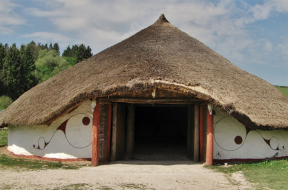
So who were the people living in Britain in the Iron Age? The Iron Age describes the period in Britain when the use of iron became widespread. It ranged from 800 BC to AD 43 and the invasion by the Roman Empire. The people of Iron Age Britain were part...
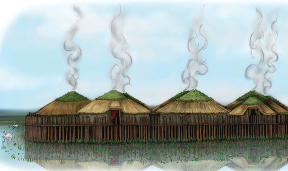
On first approaching this period it is possible to feel comfortable with the term ‘Bronze Age’ without ever really interrogating what this means. When did this period happen? What do we mean by the term the Bronze Age and was it different or the same around the world? Clearly there...
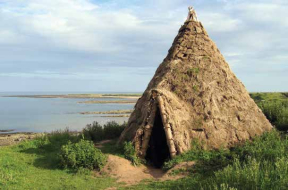
Every so often archaeologists make a discovery that forces you to sit up and take notice. It might challenge our traditional view of the period, or accepted beliefs about how people lived their everyday lives. One such discovery was made in the 1980s when an amateur archaeologist discovered some flint...
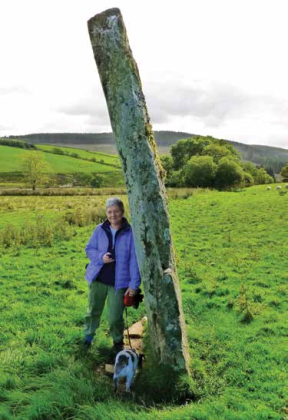
‘The Standing Stone’ story and the activities around it developed from several different starting-points. One was the requirement in the 2014 National Curriculum for history at Key Stage 2 for children to be taught prehistory, specifically about ‘changes in Britain from the Stone Age to the Iron Age’, with Bronze...
Have you ever used archaeology and object handling as a way to hook the interest of children in to primary history? Are you searching for creative ways to compare and contrast ancient civilizations? Would you like to extend your subject knowledge? Want inspiration for building in fascinating local history seamlessly...
From a visit to a local museum or heritage site, to using bushcraft skills to give pupils first-hand experience of what it might have been like to live in ancient times, teaching prehistory outside the classroom can really give this area of the curriculum the wow factor. The inclusion of...
The University of Chichester’s three-year BA (Hons) Degree for Primary Education and Teaching involves learning how to provide rigorous and creative educational opportunities for children. The course involves one creativity module each year. The final one involves the development of skills and confidence in creating problem-solving. Four of us were...
It’s September 1992 and in Dover archaeologists from the Canterbury Archaeological Trust are working alongside construction workers when six metres below ground they find some waterlogged planks. Thankfully, an expert in maritime archaeology is on site and he recognises that this could be a lot more than abandoned timber. Uncovering...