
Depth Study
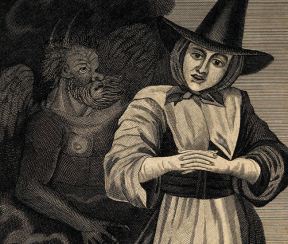
‘Gruesome!’ was how we decided to describe our teaching of seventeenth-century British history, although ‘inadequate’ was probably more accurate. Oh, how much was wrong! We had… Incoherence. The Civil War and Protectorate years plonked in between the Elizabethan Age and the origins of the industrial revolution. We had lost years!...
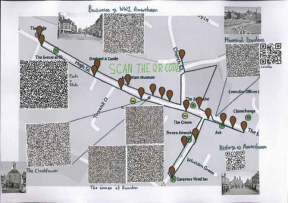
Why ‘do’ local history? The new (grades 9–1) GCSE specifications place a lot of importance on the local environment. The rationale for this is to get students to situate a site in its historical context, and to examine the relationship between local and national developments. Initially this change was the...
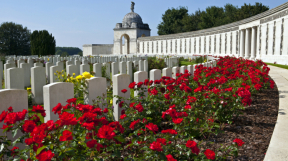
A year after the end of the First World War, George V stated: "I believe that my people in every part of the Empire fervently wish to perpetuate the memory of the Great Deliverance and those who laid down their lives to achieve it." From that moment, the idea of...
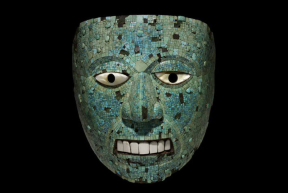
Ian Mursell set up Mexicolore in 1980 with his Mexican partner Graciela Sánchez and has worked since then with a wide variety of heritage and academic partners specialising in Aztec and Maya history. With the Aztecs now becoming a study unit on the OCR 2016 GCSE specification B, the Historical...
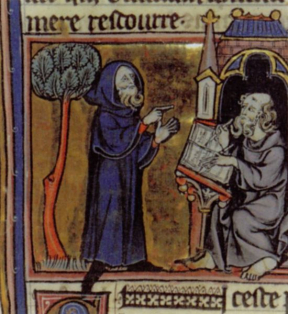
The Nation of the Scots and the Declaration of Arbroath The Scottish Wars of Independence Edward I: Relations between England, Scotland, Wales and Ireland Edward I: Law and State
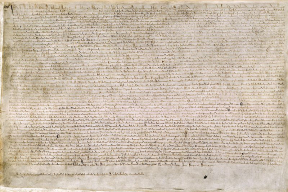
Magna Carta: oblivion and revival Magna Carta and the Origins of Parliament King John King John and Magna Carta (Part 1) King John and Magna Carta (Part 2)
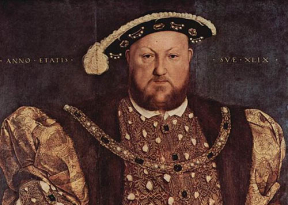
Henry VIII Faction in Tudor England The Tudors podcasted series Tudor government
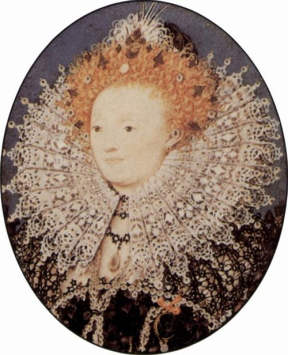
Polychronichon – interpreting Elizabeth I How Glorious was Gloriana? Elizabeth I and II comparison Women in Britain1500-1700 Revising the Elizabethans
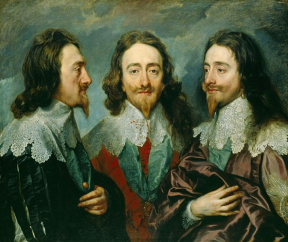
Presidential Lecture - Charles I: The People's Martyr? King Charles I The Personal Rule of Charles I 1629-40 Polychronichon – interpreting the revolution of 1688 Cunning Plan King Charles II Jacobinism The Jacobites Oliver Cromwell HA Podcasts: From James to Anne
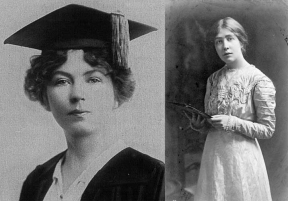
Writing the First World War - Podcasts Richard Evans Medlicott lecture: The Origins of the First World War Gary Sheffield: Origins of the First World War The Parliament Act of 1911 The Suffragette Movement - Podcast LGBT History 1914-18 Domestic impact of World War I First World War treaties and...
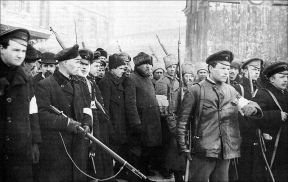
USSR An HA Podcasted History of the USSR Stalinism Between the Revolutions Nazism and Stalinism – suitable case for comparison? Stalin 6th form podcast Stalin, Propaganda, and Soviet Society during the Great Terror After the Uprising of 1956: Hungarian Students in Britain
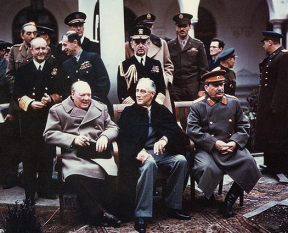
Podcast: Twentieth-century Poland Podcast: British-Polish relations and the British Polish community Polychronicon: Why did the Cold War End? Podcast: The USSR and Eastern Europe Film: The Partitions of Poland-Lithuania (1772-1795): Repercussions for German-Polish Relations and their Legacy Resources from other organisations Beyond Borders: Polish-British Cultural Connections (Polish Cultural Institute, London;...
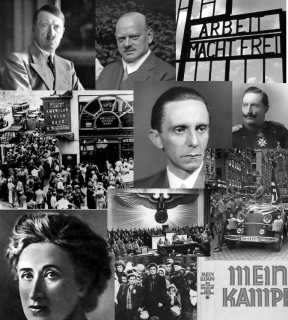
Germany An HA Podcast Series: Modern German History (1914-1948) Building and assessing historical knowledge on three scales Kristallnacht Adolf Eichmann Reading and enquiring in Years 12 and 13: a case study on women in the Third Reich Podcast: Cold War Germany German Women 1900-1945 Nazism and Stalinism – suitable case...
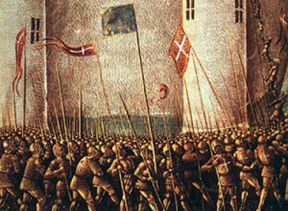
Podcasts All podcasts are free for HA members. The World on the Eve of the First Crusade The First Crusade The First Crusade: Causes & consequences The First Crusade: Eastern Sources and Different Interpretations The First Crusade - Development across Europe & Asia Minor The First Crusade - Antioch, Edessa,...

Towards victory in that battle... 10A were nearly a term into their GCSE history course, working on an 1890-1918 British history ‘depth study'. They had already completed work on the Liberal welfare reforms and on the women's suffrage movement, and they had been practising a range of source evaluation approaches....
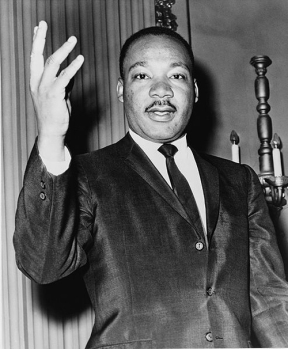
A school-designed, post-14 course on multi-cultural Britain since 1945 Robin Whitburn and Sharon Yemoh describe the design of a school-generated GCSE course on the challenges that British people faced in forging a multicultural society in post-imperial Britain. Drawing on their own research into their students' experience, they build a discipline-based...
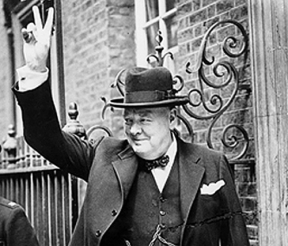
The idea of using ‘little stories' to illuminate the ‘big pictures' of the past was creatively explored in Teaching History 107, which offered teachers a wealth of detailed vignettes with which to kindle young people's interest and illuminate major historical events. Paul Barrett builds on the ideas explored in that...
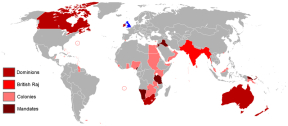
I wanted to give my Year 8 students ownership of their work on the British Empire by allowing them to suggest our ‘enquiry question'. In order to introduce the Empire, I brought in sugar, spices, bananas, chilli peppers and cotton. I then showed maps demonstrating the Empire at its height....
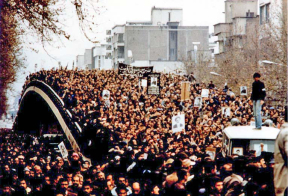
Although the curriculum changes of 2008 brought with them new GCSE specifications, Jonathan White was disappointed by the dated feel of some ‘Modern World' options, particularly the depth studies on offer. Drawing on his experience of teaching comparative history within the International Baccalaureate, and building on previous arguments in Teaching...
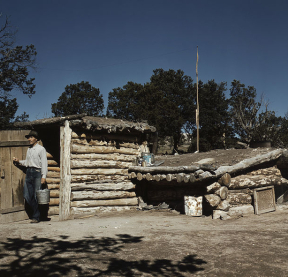
When Peter Clements was introduced to the creative strategy that he describes in this article, his immediate reaction was to dismiss it as childish and trivial. Yet, upon closer examination, he realised that ‘Picture This' offered far more than a lively way of increasing variety and engagement in his GCSE...