
Transition to HE
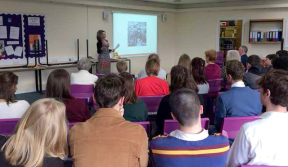
The history we present to students, however rigorous and challenging, and however full of integrity in eflecting history as a discipline, is a shiny show of our best resources. Peeling back this curtain and allowing students to see the real world of academic history was a major motivation in inviting...
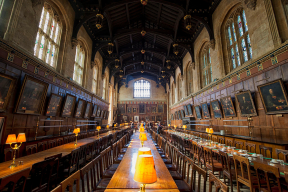
So you've decided to apply to study history at university. This guide is intended to help you through the process so that your application is as good as it can be. It is not intended to replace the help and advice you can get from the people who know you...
Every year hundreds of students, supported by their teachers and schools apply to study history at university. How do you make sure that you or your students stand out from the crowd and get the place they want? This helpful guide is written by Tony McConnell, Deputy Head of Merchant...
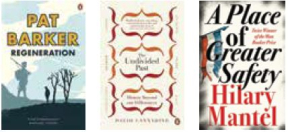
Discussions with sixth-form students about reading led Carolyn Massey and Paul Wiggin to start a sixth-formreading group. They describe here the series of themed sessions that they planned, and the student discussion and reflections that resulted. Listening to their students discuss their reading led Massey and Wiggin to reflect on...
Frustrated that her A-level students were being overly dismissive when asked to judge the convincingness of academic historians’ arguments, Paula Worth drew on previous history-teacher research and theories of history for inspiration. After noting that her students would unjustly reject esteemed historians’ accounts for lack of comprehensiveness, Worth explains here...
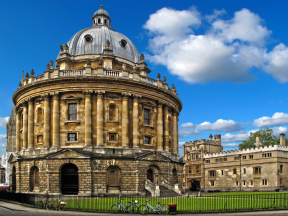
An exploration of the impact of university preparation classes on sixth-form historians Frustrated by the low numbers of students from her comprehensive state school who expressed any interest in applying to Oxford or Cambridge to study history, Lucy Hemsley set out to explore ways in which she might both inspire...
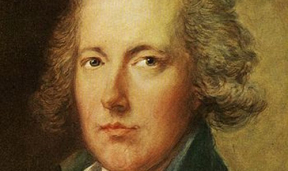
How can we help pupils learn to read historically? Gary Howells explores this question by explaining how he builds reading challenges into the course of his pupils' post-16 studies and by describing some of the tasks that pupils are set and the principles that underpin them. Howells argues that over...
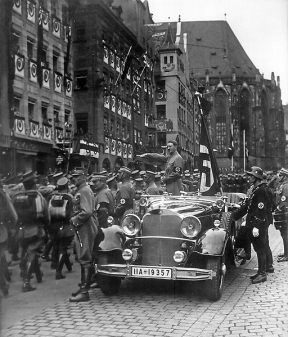
What do our students make of the history that we teach them? As part of an introductory module on historiography, Marcus Collins asked his undergraduate students to analyse the history that they had been taught at school and college using historiographic concepts. The results make for interesting reading. What do...
In this series of short films history undergraduates answer questions about their experiences of the transition to university and about extended student engagement. A joint project of the Historical Association and the History Subject Centre.

What does it mean to be good at history? At certain times during their formal education students seem to be required to adjust their understanding of what studying history entails. Alan Booth writes from the viewpoint of a university tutor. He has collated ‘student voice’ on the experience of studying...