
Learning outside the classroom
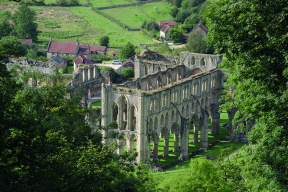
Helen Snelson has long been an enthusiastic advocate for learning history outside the classroom. In recent years, as the extent of the climate crisis has become ever more apparent, she has been rethinking her approach to teaching within and about the historic environment. In this article, written in consultation with...
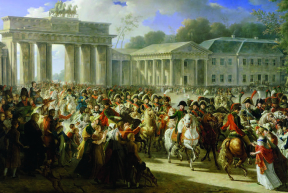
Geraint Brown and Matt Stanford share the daunting challenge and intriguing opportunities that are presented by leading a school history trip to a site as complex as Berlin. That the city is a palimpsest, layered with stories and tissued with conflicting identities, experiences and meanings, makes planning a trip extremely...

Inspired by the growing number of history teachers who have sought to introduce younger pupils to academic historical scholarship in the classroom, Tim Jenner wanted to bring about his own reading revolution at Key Stage 3. But rather than simply develop one-off lessons or enquiries based on scholarship his goal...
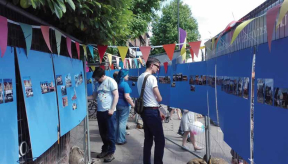
Inspired by the claim that local history can be taught effectively ‘Any time, any place, anywhere’, Katharine Burn and Jason Todd took up the challenge of planning Key Stage 3 enquiries related to an unusual and diverse, but frequently neglected and often despised, corner of Oxford. They sought not merely...
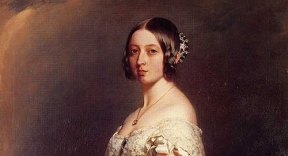
What do 14 Year 7 students, an art teacher, a history teacher and the Victoria and Albert Museum have in common? They are all part of the ‘Stronger Together' Museum Champion project run by The Langley Academy and the River & Rowing Museum and supported by Arts Council England, designed...
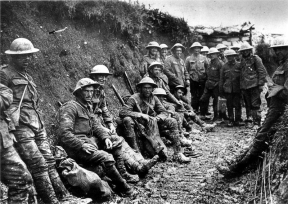
Year 9 think they know a lot about the First World War. After all, they read Michael Morpurgo's novel Private Peaceful in their English lessons all the way back in Year 7, they've seen Blackadder so many times they can recite it, and in the centenary year of the war's...
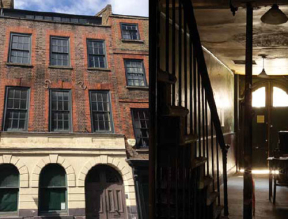
A host of histories: helping Year 9s explore multiple narratives through the history of a house Described by the author Monica Ali as a building that ‘sparks the imagination and sparks conversations', 19 Princelet Street, now a Museum of Diversity and Immigration, captivated the imagination of teacher David Waters. He...
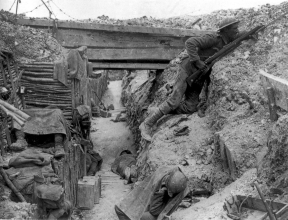
Remembering the First World War: Using a battlefield tour of the Western Front to help pupils take a more critical approach to what they encounter The first year of the government's First World War Centenary Battlefield Tours Programme is now under way, allowing increasing numbers of students from across Britain...
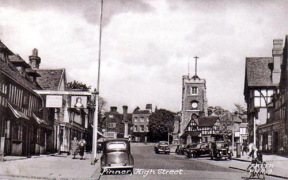
One street, twenty children and the experience of a changing town: Year 7 explore the story of a London street Michael Wood and others have recently drawn attention to the ways in which big stories can be told through local histories. Hughes and De Silva report a teaching unit through...

School trips are, it seems, always in the news. They are under threat, or vital, or the preserve of wealthier students, or a forum for poor behaviour, or a day out of the classroom to build relationships, or a fantastic learning experience where students learn important life skills (such as...
the Learning Outside the Classroom Manifesto – launched a few months ago - is intended to be a ‘movement’, the purpose of which is to canvas support for education beyond the school walls. It grew out of the education and skills select Committee’s report of 2005 which acknowledged the challenges...
Working visits to historical sites for the purposes of developing pupils’ historical understanding can be extremely useful. As part of their training, student teachers need to acquire understanding and skills in the planning and management of worthwhile ‘fieldwork’. This work can be very powerful indeed if it emerges from co-operation...