
Science & Industry
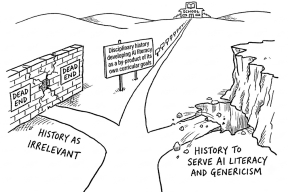
Many young people, aware of the rapid development and widespread use of generative forms of artificial intelligence, assume that the knowledge and skills they will need to navigate their future bear little relationship to those offered by the study of history. In response to these assumptions, Kieran Lavis and Katharine...
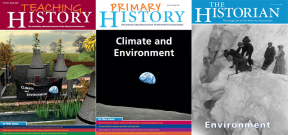
The climate emergency has come to the fore particularly in recent years. Teaching about the environment and climate is a feature of subjects like science and geography, but it is, and should be, the responsibility of every curriculum subject. History has a particular role to play in helping us understand...
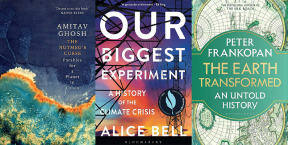
In this article Michael Riley and Alison Kitson seek to unlock the potential of the secondary history curriculum to educate young people about the current ecological and climate crisis in ways that might also inform their thinking about how to create a more sustainable future. The article (which mirrors a...
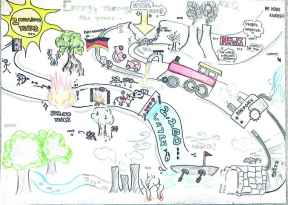
This article, written mainly by Alison Kitson with reflections on classroom experience from Nebiat Michael, focuses on teaching about the industrial revolution. It offers new ways of framing the topic, both as a result of the ‘energy binge’ on which modern civilisation is built and as the third of four...
The British industrial revolution stands out as a pivotal moment in human history. Its timing, causes and consequences have all been major topics of historical enquiry for well over one hundred years. Many of the great Victorian commentators – Engels, Dickens, Blake to name a few – who lived through...
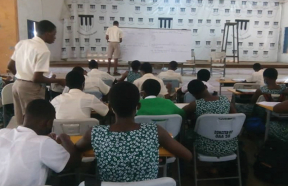
In order to contextualise and make sense of the Covid-19 pandemic, Verity Morgan worked with her school’s long-standing partner school in Ghana to devise an innovative project combining history and science, past and present. In this article, Morgan sets out the rationale for the project, her detailed adaptation of a...
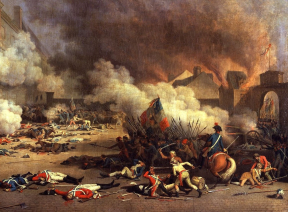
The Age of Revolutions is a period in history between c.1775-1848. Over the course of these years, society underwent a series of revolutions in almost all theatres of life: political, war, social and cultural, and economic and technological. Revolutionary ideas and revolutionary actions swept across the world, and historians still...
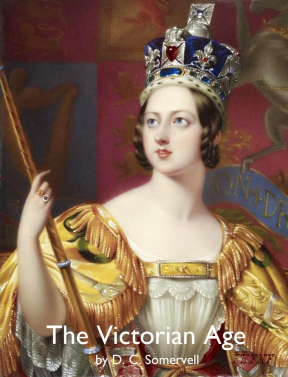
This Classic Pamphlet was published in 1937 (the centenary of the accession of Queen Victoria, who succeeded to the throne on June 20, 1837). Synopsis of contents: 1. Is the Victorian Age a distinct 'period' of history? Landmarks establishing its beginning: the Reform Bill, railways, other inventions, new leaders in...
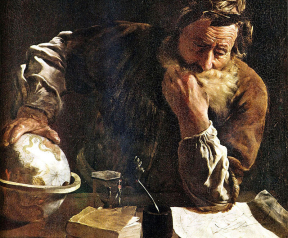
Readers of Teaching History will be familiar with the benefits and difficulties of cross-curricular planning, and the pages of this journal have often carried analysis of successful collaborations with the English department, or music, or geography. Harry Fletcher-Wood describes in this article a collaboration involving maths, providing for us the...
Inspired by the news that Bristol had become the UK’s first Green Capital, Kate Hawkey, Jon James and Celia Tidmarsh set out to explore what a ‘Green Capital’ School Curriculum might look like. They explain how they created a cross-curricular project to deliver in-school workshops focused on the teaching of...
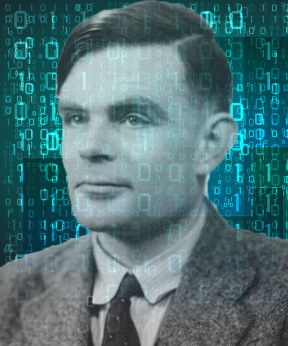
In this podcast, Dr Tommy Dickinson of the University of Manchester, discusses the life and significance of Alan Turing.
In this podcast Dr Tommy Dickinson of the University of Manchester discusses the life and significance of Alan Turing. Please note this is only the first section of the full podcast which is available to HA Members Alan Mathison Turing, (23 June 1912–7 June 1954) was a British pioneering computer...
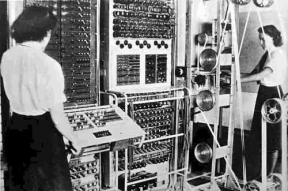
Bletchley Park was the most important of the top secret intelligence sites during the Second World War. The quiet Buckinghamshire village hosted 10,000 people dedicated to defeating the Nazis, 75% of those were women. In this podcast we are lucky enough to have some of those women talking about their...
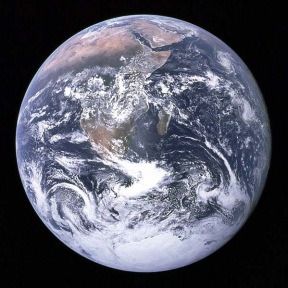
This classic pamphlet takes you through some of the key ideas on the shape, size and movements of the Earth as they changed over time from classical cosmology to the work of Galileo and Isaac Newton.
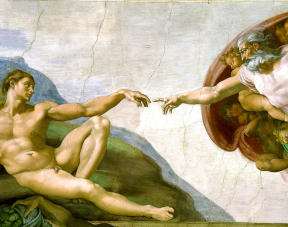
In this podcast Dr Gabriele Neher of the University of Nottingham provides an introduction to the Renaissance.
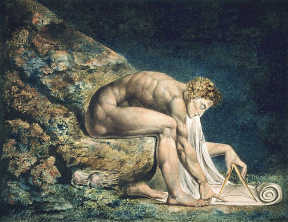
In this series of podcasts we take a look at the history of the Royal Society and the influence it has had on the history and development of science. This series features: Keith Moore, Head of Libraries and Archives at the Royal Society, Dr Jordan Goodman, Dr Patricia Fara of...
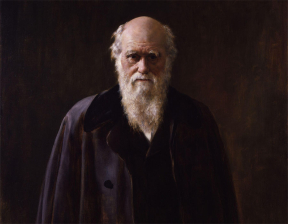
In this set of podcasts Project Director Professor Jim Secord and Associate Director Dr Alison Pearn of the Darwin Correspondence Project discuss the life, work and legacy of Charles Darwin.
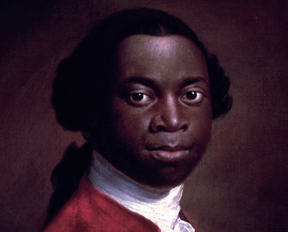
This series of podcasts looks at Diversity in Early Modern Britain and features Onyeka, Dr Kathy Chater and Dr Sumita Mukherjee. Our first set of podcasts looks initially at African and Caribbean British History, South Asian British History and the Huguenouts.
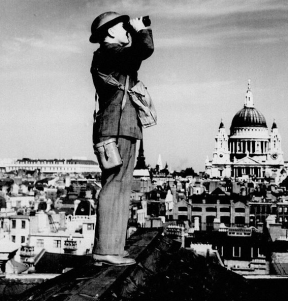
The Battle of Britain is often described as the point at which the Nazi threat began to diminish and cracks began to form in Hitler's regime. The air campaign launched by the Germans in the summer of 1940 intended to wipe out the existence of the British Royal Air Force...
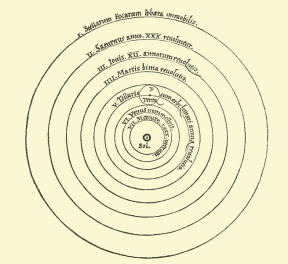
During the past four centuries, the processes of nature have come to be viewed in a new light through the progressive acquisition of the systematized, verifiable knowledge that we call science. The associated advances in technology have profoundly affected the circumstances of our daily lives, and have revolutionised the mutual...