
Similarity & difference
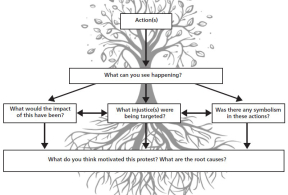
While studying for his master’s degree in education, Arthur Casey became intrigued by research suggesting that analogies comparing past and present might improve students’ perceptions of the relevance of history. In this article he reports on the findings of his own small-scale research study, in which he used a present-day...
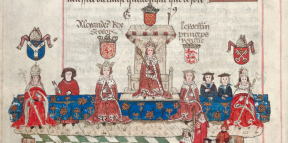
In this article, Jessica Phillips returns to a theme explored in the Historical Association’s publication Exploring and Teaching Medieval History in Schools – the challenge of teaching about the medieval past in ways that acknowledge its vibrant complexity and create a genuine sense of resonance rather than condescension or blank...

We’ve been talking to our secondary school members and we know how difficult life is for teachers in the current circumstances, so we wanted to lend a helping hand. 'What’s the wisdom on…' is a popular feature in our secondary journal Teaching History and provides the perfect stimulus for a...
How often have you found yourself challenging a pupil’s use of ‘they’ or ‘people’? How often have you teased them with, ‘Really? All of them?!’ Every time we do this, we are pushing our pupils to respect the complexity of the past. We are pressing them to use their knowledge...

‘We already did the Tudors in primary school’ was the most frequent comment made by students about our Year 7 scheme of learning in our annual review. Students reported covering the Tudors at least once, sometimes twice, before reaching secondary school and they had clearly not faced extensive further study...
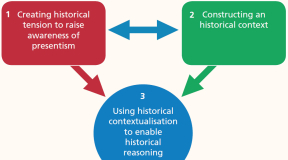
In this article, which is based on Huijgen’s PhD dissertation Balancing between the past and the present, Tim Huijgen and Paul Holthuis present the results of an experimental method of teaching 14–16-year-old students to contextualise their historical studies in a different way. In the four lessons described, students’ initial reactions...
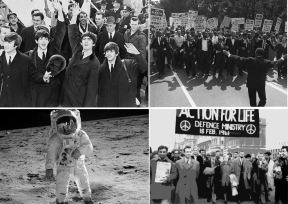
During her PGCE year, it became evident to Rachel Coleman just how much pupils struggled with the complicated nature of history. They were troubled in particular by the lack of definitive answers, by the range of perspectives that might be held at the time of a particular event or development...
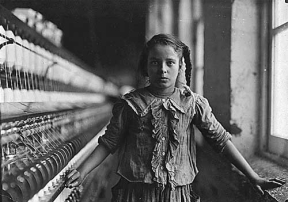
‘Disastrous and terrible.’ For Arnold Toynbee, the historian who gave us the phrase ‘industrial revolution’, these three words sum up the period of dramatic technological change that took place in Britain across the eighteenth and nineteenth centuries. We may not habitually use Toynbee’s description in the classroom, but it is...
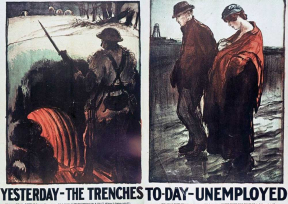
Is it a good thing to have a lot of evidence? Surely the historian would answer that yes, it is: the more evidence that can be used, the better. The problem with this approach, though, is that too much data can be overwhelming for the history student - and, in...

This page is for those new to the published writings of history teachers. Every problem you wrestle with, other teachers have wrestled with too. Quick fixes don't exist. But if you discover others' writing, you'll soon find - and want to join - something better: an international conversation in which...
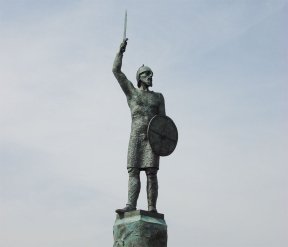
How many people does it take to make an Essex man? Year 9 face up to historical difference Teaching her Key Stage 3 students in Essex, Catherine McCrory was struck by the stark contrast between their enthusiasm for studying diverse histories of Africa and the Americas and their reluctance to...
Teaching a class of newly arrived immigrant teenagers from various backgrounds and ethnicities poses many interesting challenges: varied levels of schooling, varied levels of mastery in a new language, no common frame of reference, varied ways of understanding and making sense of the world and very varied ways of making...
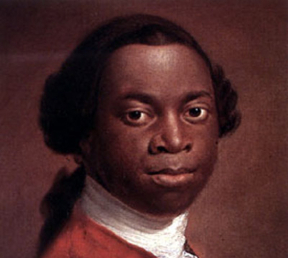
How a drink in the bar at the SHP conference - and discovery of a shared interest in ICT - led to the campaign for a Blue Plaque for an eighteenth-century abolitionist. What do the 1970 Brazil World Cup-winning team, Charles Darwin and Vanilla Ice all have in common? This...
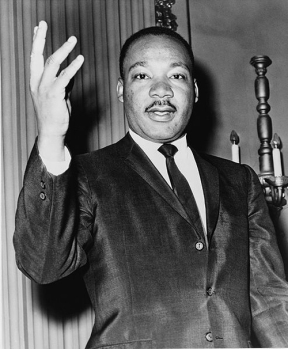
A school-designed, post-14 course on multi-cultural Britain since 1945 Robin Whitburn and Sharon Yemoh describe the design of a school-generated GCSE course on the challenges that British people faced in forging a multicultural society in post-imperial Britain. Drawing on their own research into their students' experience, they build a discipline-based...
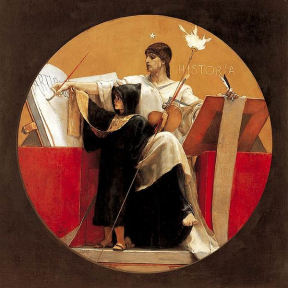
Joanne Pearson reflects on her experiences as a history teacher and teacher educator, considering the ways in which she has seen women represented in the history curricula of different schools in England. She makes the case that greater attention needs to be paid by history teachers to the criteria against...
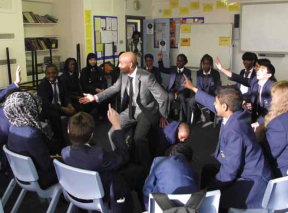
‘Doing justice to history': the learning of African history in a North London secondary school and teacher development in the spirit of ubuntu The medium is the message, Marshall McLuhan observed many years ago and the ‘form' of what we do carries ‘content' as Hayden White has argued. This article...
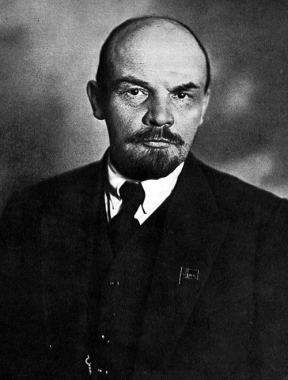
Wrestling with diversity: exploring pupils' difficulties when arguing about a diverse past How can we develop students' ability to argue about diversity? Sarah Black explores this question through classroom research that set out to help students think in complex ways about diversity, drawing on Burbules' work on conceptualising difference and...
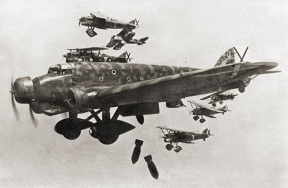
How my interest in what I don't teach has informed my teaching and enriched my students' learning Flora Wilson argues here for the importance of maintaining a fascination with history as an academic subject for experienced, practising history teachers. Just as medical professionals keep their knowledge up to date by...
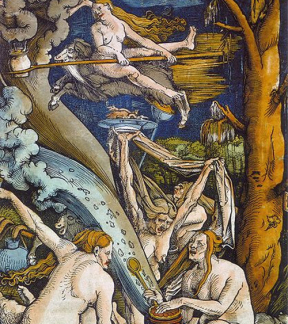
Which women were executed for witchcraft? And which pupils cared? Paula Worth was concerned that her low-attaining set were only going through the motions when tackling causal explanation. Identifying, prioritising and weighing causes seemed an empty routine rather than a fascinating puzzle engaging intellect and imagination. She was also concerned...
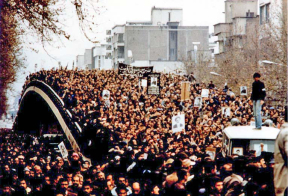
Although the curriculum changes of 2008 brought with them new GCSE specifications, Jonathan White was disappointed by the dated feel of some ‘Modern World' options, particularly the depth studies on offer. Drawing on his experience of teaching comparative history within the International Baccalaureate, and building on previous arguments in Teaching...