
International Relations
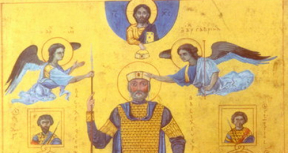
This resource is a pamphlet titled ‘The Byzantine Empire on the Eve of the Crusades’ and written by R. J. H. Jenkins in 1953. As such, some of the scholarship has been updated since then, although it can provide useful historiography. It is not strange that there should in recent...
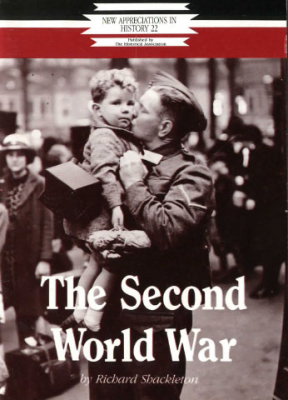
On 5 September 1939 the German Führer, Adolf Hitler, paid a surprise visit to the corps which was in the forefront of his army's ferocious assault upon Poland. As they passed the remains of a smashed Polish artillery regiment, the corps commander, General Guderian, astonished Hitler by telling him that...
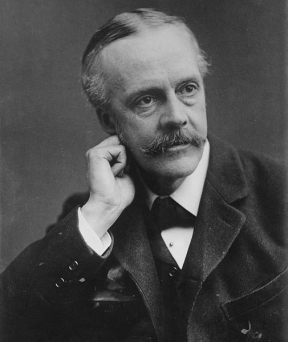
In a letter from the British Foreign Secretary, A.J. Balfour, to Lord Rothschild, the Anglo-Jewish leader, on 2 November 1917, the British Government declared its intention to ‘facilitate' the ‘establishment in Palestine of a national home for the Jewish people'. The Balfour Declaration, as it became known, was endorsed by...
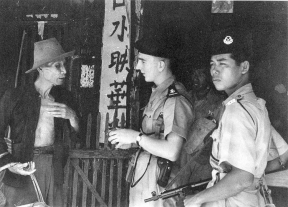
‘To think that the people of Indochina would be content to settle for less [from the French] than Indonesia has gained from the Dutch or India from the British is to underestimate the power of the forces that are sweeping Asia today'. An American adviser in 1949 cited: Robin Jeffrey...
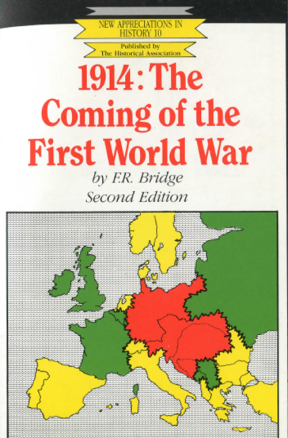
This pamphlet argues that the outbreak of the First World War represented not so much the culmination of a long process started by Bismarck and his successors, as the relatively sudden breakdown of a system that had in fact preserved the peace and contained the dangerous Eastern Question for over...
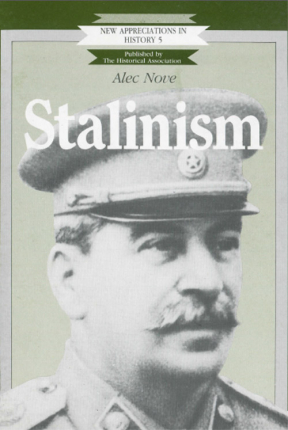
Stalin's remarkable career raises quite fundamental questions for anyone interested in history. Marxists, whose philosophy should cause them to downgrade the role of ‘great men' as an explanation of great events, have problems in fitting Stalin into the materialist interpretation of history: did not this man ride rough-shod over the...
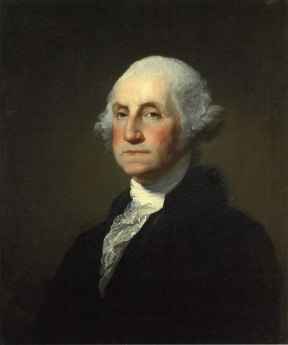
In the two-hundredth year of American Independence, it is proper to ask: why did it occur? It need not have happened; it was the act of men, not immutable forces. But once the tensions became acute, the three thousand miles of ocean were a difficult chasm to bridge. The War...
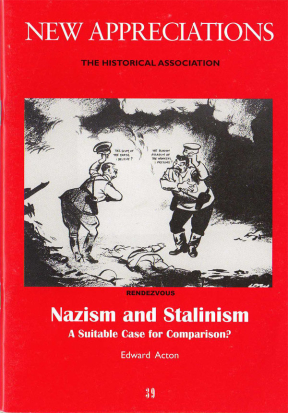
Is it legitimate to compare the Nazi and Stalinist regimes? There might seem little room for doubt. It is often taken as self-evident that the two regimes were variations of a common type. They are bracketed together in school and university courses, as well as text books, under labels such...
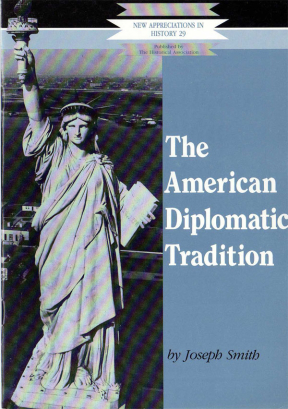
Indisputably, the United States of America has been and continues to be the leading power of the twentieth century. No country or people, however large or small, has been immune from American influence. A succession of American presidents have become international celebrities whose personal strengths and weaknesses are discussed and...

Please note: this article pre-dates the 2014 National Curriculum and some content may be outdated. Much has been said and written about different learning styles in recent years. Some people have responded with evangelical enthusiasm, others exercise a more cautious approach, whilst a few disregard it completely. Certainly, there are...
Brazil and the outbreak of the First World War At the beginning of the twentieth century Brazil was on the periphery of a world order that revolved around decisions made by the great European powers. Although it was the largest and most populated nation in South America, Brazil possessed an...
'An attack on the United States with 10,000 megatons would lead to the death of essentially all of the American people and to the destruction of the nation.’ ‘In 1960 President Kennedy mentioned 30,000 megatons as the size of the world’s stockpile of nuclear weapons.’ In the autumn of 1962...
Z.A.B. Zeman uncovers a fateful link between Czechoslovakia’s brief monopoly of uranium in Europe and the country’s subordination to the USSR. The great uranium rush started in 1943 and lasted for about seven years. Unlike the gold rushes of the past, uranium did not promise untold riches to individuals but...
'No war is inevitable until it starts.' Good quote. Not mine, but A.J.P. Taylor's. The outbreak of the First World War is a good way to test it! Did the statesmen of the day know the First World War was coming? Put another way, why was there no general European...
Carl Watts outlines the shift in British security policy and examines the role played by the Foreign Office during the post-War period. April 1999 marks the 50th anniversary of the signature of the North Atlantic Treaty, which came into effect in August 1949. The Cold War is over, but NATO...
John Major discusses an astonishing aspect of past Anglo-American history. All great powers have developed contingency plans for war with each other, and the United States in the early twentieth century was no exception. Each of Washington’s schemes was given a distinctive colour. Green mapped out intervention in neighbouring Mexico,...
Sarah Davies explores the evidence that even in the most repressive phases of Stalin’s rule, there existed a flourishing ‘shadow culture’, a lively and efficient unofficial network of information and ideas. 'Today a man only talks freely with his wife — at night, with the blankets pulled over his head.’...