
Britain & Ireland 1745-1901
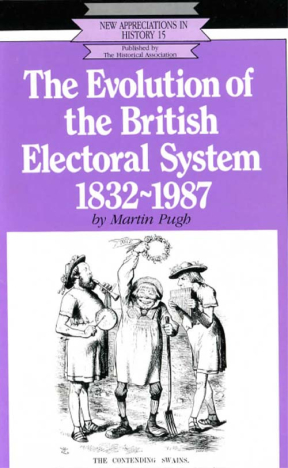
During the last 20 years our perspective on the great Victorian question of parliamentary reform has noticeably changed. We have acquired a comprehensive picture of the organisation and political socialisation of those who won the vote; and some interesting debates have developed about the social characteristics of the electors and...
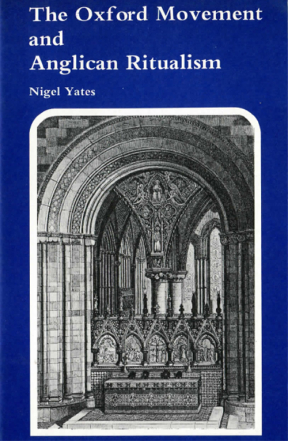
The English Reformation of the Sixteenth century had been a compromise, both politically and theologically. The administrative framework of the medieval church, with its system of church courts, private patronage, pluralism, the social and financial gulf between the lower and higher clergy, its inadequacy of clerical education and its hierarchical...
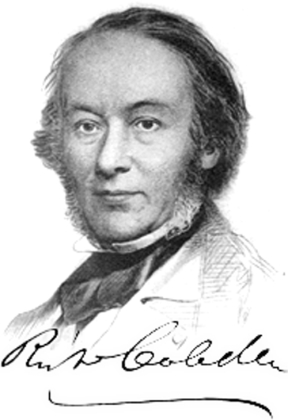
The struggle for parliamentary reform between 1830 and 1832 has long been regarded as one of the decisive battles of British political history. The Tories lamented that the passage of the Reform Bill meant the destruction of the constitution. Middle class Radicals welcomed the Reform Bill as the instrument that...
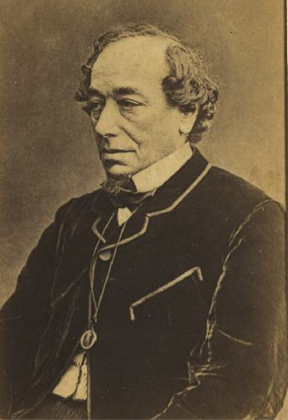
During the years from 1826 to 1830 Benjamin Disraeli went through the slough of despond. His first major biographer,William Flavelle Monypenny, observed the ‘clouds of despondency which were now settling upon Disraeli's mind'. In his magisterial life of the great tory leader Robert Blake commented that ‘after completing Part II...
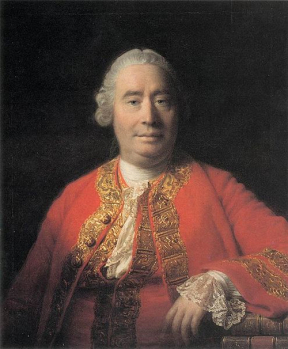
In recent decades, Scotland's distinctive contribution to the Enlightenment has been of increasing interest to scholars. Often very remarkable in an analytical view, such studies may nevertheless miss their sense of the story by treating Scottish insight in abstraction from Scottish life. Taking a more concrete approach, the present study...
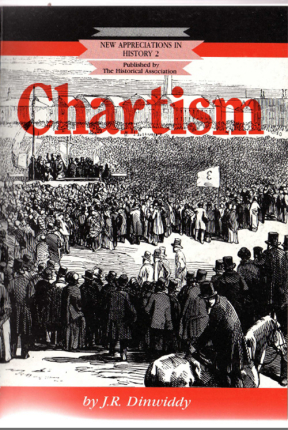
It is not surprising that Chartism has attracted a great deal of interest from historians and students, for at no other period in British history, with the possible exception of the second and third decades of the twentieth century, has so much excitement and activity been aroused at the working-class...
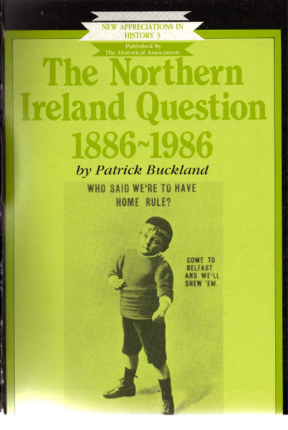
The nature of the rights of majorities and minorities is one of the most intractable of the issues raised by the Northern Ireland question, especially since much depends on definitions. Ulster Protestants are a majority in that province but a minority in both Ireland and the United Kingdom, while Catholics,...
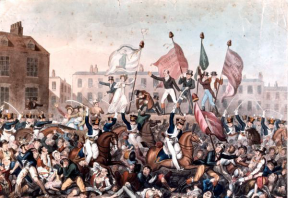
The Peterloo massacre is one of the best-documented events in British history. It was the bloodiest political event of the 19th century on English soil. At St Peter's Fields in central Manchester on Monday 16 August 1819, a rally of around 60,000 people seeking parliamentary reform was violently dispersed by...

Please note: this article pre-dates the 2014 National Curriculum and some content may be outdated. Kimberley Anthony and her history colleagues were troubled by Year 9's assumption that World War II was the only interesting thing that they were going to do in Year 9. Nineteenth-century industrialisation, even their own...
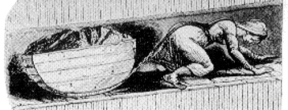
On 1 March 1771, thirteen year-old John Davies, a London charity school boy, left his home in Half MoonAlley and made his way to Bishopsgate Street. There he joined thirteen other boys of similar age who, like him, were new recruits of the Marine Society, a charity that sent poor...
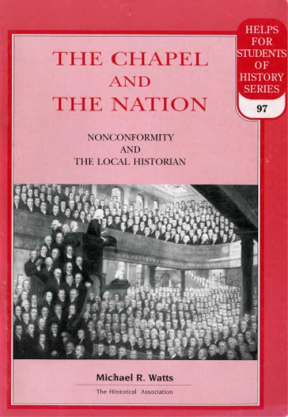
The Noncoformitst chapel has played a crucial role in the history of the English and Welsh nations. When the great French historian Elie Halevy sought to explain the contrast between the turbulent history of his own country and the peaceful evolution of England in the late eighteenth and nineteenth centuries...
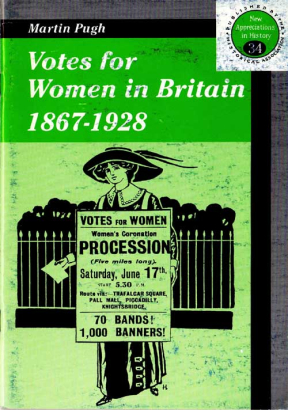
This classic pamphlet takes you through the Votes for Women in Britain movement from its origins to its eventual success, following the case for women's suffrage presented, tactics and strategies, the anti-suffragist argument, party political complications, international perspectives, the Pankhursts and militancy, the revival of non-militant suffragism, the impact of...
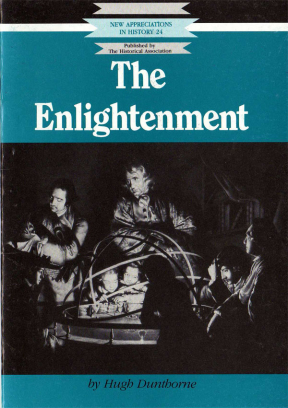
Can a movement as varied and diffuse as the Enlightenment of the eighteenth century be contained within the covers of a short pamphlet? The problem would certainly have appealed to the intellectuals of that time. Generalists rather than specialists, citizens of the whole world of knowledge, they relished the challenge...
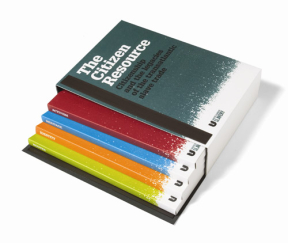
Teaching the transatlantic slave trade and its abolition in British history is now a compulsory component of the revised KS3 History curriculum. The Understanding Slavery Initiative (USI) is a national education project set up in 2003. The initiative has been developed in partnership with the National Maritime Museum in Greenwich,...
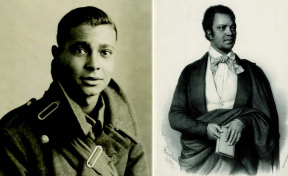
Produced by the Northamptonshire Black History Association and originally published in 2008, this is one of a set of resources for schools offering a more inclusive map of the past that includes an appreciation of Black History within the local, national and global context. The resources provide a range of...
Applicable to Britain 1066-1500, Britain 1500-1750, Britain 1750-1900, and many aspects of GCSE and AS/A2 courses. The version given in full here is for use in a study of Victorian Britain. This tackles the troublesome concept of relative status in a changing society. Exactly what is it that bestows status...
Leisure time - like time itself - is fluid, and keeps changing its social meanings. From a ‘serious' high political perspective there is no history of leisure and leisure is trivial. Such perspectives have long lost their grip on the historical imagination, of course, and we have had histories of...
It can have escaped the attention of very few people in the United Kingdom that 2007 marks the 200th anniversary of the abolition of the slave trade in British ships. Slavery itself continued to be legal in Britain and its colonies until the 1830s, while other nations continued both to...
125 years after his death, Benjamin Disraeli, Earl of Beaconsfield, still provides the political lode-star for generations of Conservatives. Lately, for the first time in 30 years, Disraeli's name and example has been enthusiastically evoked by the party leadership and David Cameron has projected himself as a Disraeli for the...
In the 1780’s the British slave trade thrived. In that decade alone more than one thousand British and British colonial slave ships sailed for the slave coasts of Africa and transported more than 300,000 Africans. There was little evidence that here was a system uncertain about its economic future. If...