
World 1066-1509
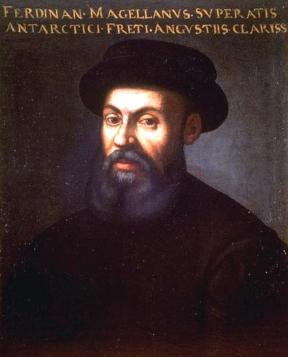
This pamphlet covers a very large period of history in a very important region with great detail and focus. Themes that are covered include the transition of power and dominance in the pacific region, the conflicts that frequently arose in the struggle for pacific dominance throughout the centuries, as well...
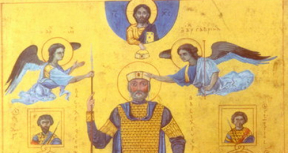
This resource is a pamphlet titled ‘The Byzantine Empire on the Eve of the Crusades’ and written by R. J. H. Jenkins in 1953. As such, some of the scholarship has been updated since then, although it can provide useful historiography. It is not strange that there should in recent...
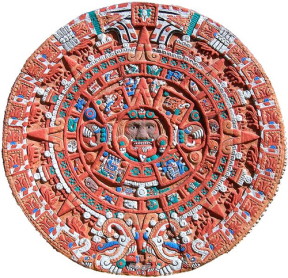
When the Spanish Conquistadores arrived in Mexico during the early sixteenth century there were many repercussions for the indigenous people. Their conversion to Christianity and the sacking of their temples are two of the most well known examples. However, it is often forgotten that the Aztecs had only a pictorial...
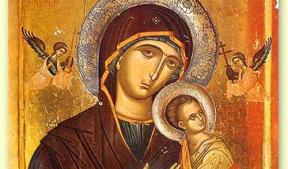
The First Crusade may be considered the only really successful crusade in that it achieved its stated goal, but it demanded great courage and stamina of its participants in their journey to the Holy City of Jerusalem, fighting their way through an unforgiving hostile territory. But courage and stamina by...

In my first Polychronicon article on ‘The Crusades' I pointed out that research historians are increasingly specialising either on the crusades themselves or on the crusader states. There are good reasons for this, but in my opinion it makes little sense for school or university teachers to treat these topics...
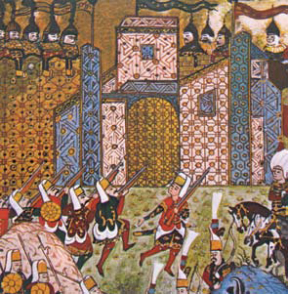
Ottoman society centred on the Sultan. He was lawgiver, religious official, leader in battle-and until the late sixteenth century an active field commander on campaign. The Law of Fratricide of Mehmet (Mohammed) II, 1451-81, urged each new Sultan to kill his brothers in order to produce a capable ruler and...
Modern research on the crusades has concentrated on three basic questions. What were they? How were they justified? What motivated the crusaders? The first of these questions became controversial twenty-five years ago, when historians with a traditional approach to the subject, who took into consideration only those expeditions launched to...
In this article Nicolas Kinloch examines aspects of an indigenous empire: that of Aztec Mexico. He attempts to persuade a group of mixed-ability Year 8 students to examine - and question - some of the assumptions they bring to the study of this empire. Their attitudes reflect quite widespread beliefs...
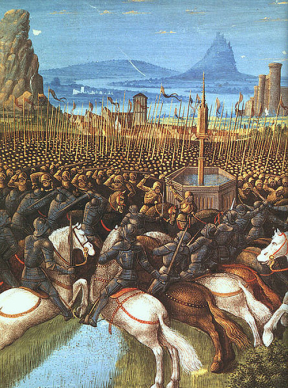
Professor Malcolm Barber explores the rise and fall of the Knights Templars. "The master of the Temple was a good knight and stout-hearted, but he mistreated all other people as he was too overweening. He would not place any credence in the advice of the master of the Hospital, Brother...