
Britain & Ireland 1745-1901
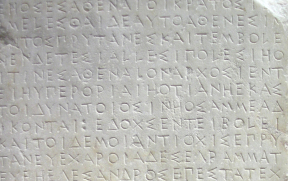
Public Museums, National Trust Properties and private homes across the UK contain thousands of antiquities deriving from the ancient Greek world. Many of these were obtained by those who ventured upon the Grand Tour, a cultural expedition to Europe undertaken by wealthy young men in the eighteenth and ninteteenth centuries....
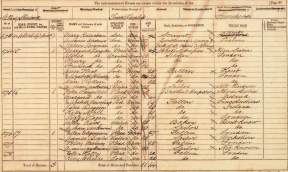
As we approach the next census in March 2021, we are reminded of what a rich historical source the census is. For historians, using the census can shine a light on particular people and places – a snapshot in time. Big stories can be told through a sharp local lens...
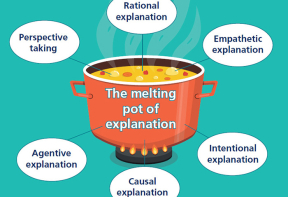
In this article Sophie Harley-McKeown identifies and addresses her Year 12 students’ blind spot over agentive explanation. Noticing that the examination board to which she teaches uses ‘motivations’ rather than ‘aims’ prompted her to consider whether her students really knew what that meant. Finding that her students’ causal explanations tended...
In autumn 2019, Kara Walker’s monumental sculpture, Fons Americanus, went on display in the Tate Modern, offering a poignant, troubling challenge to national commemoration. Walker depicts not the lingering vestiges of imperial glory, but sharks, tears, and haunted memories. She brings history into conversation with its contemporary legacies and engages...
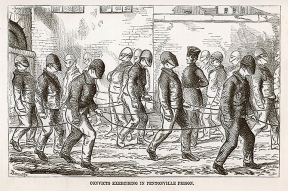
Past Time Toolkit: A Learning Resource about Victorian Prisons is aimed at teachers of GCSE History students and is also of interest to anyone exploring the Victorians, prison history, isolation, or food history. The resource is particularly useful to those working with the Edexel GCSE History course’s Crime and Punishment...
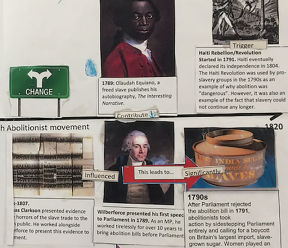
Elizabeth Marsay wanted to ensure that her students were not hindered in their causal explanations of the abolition of slavery by being exposed to overly categorical, simplistic, and monocausal narratives in the classroom. By drawing on both English and Canadian theorisation about causation, Marsay outlines how her introduction of competing...
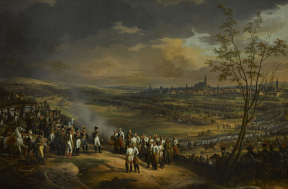
In this podcast Dr Louise Carter critically examines the role of women in Britain during the French Revolution. During these wars, women were typically called on for army cooking, laundry, nursing and spying, and as such were considered part of the war machine. While women in the French wars accounted...
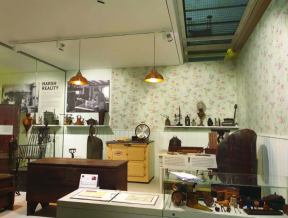
Triumphs Show is a regular feature which offers a quick way for teachers to celebrate their successes and share inspirational ideas with one another. While the ideas are always explained in sufficient depth for others to be able to take them forward in their own practice, the simple format allows...
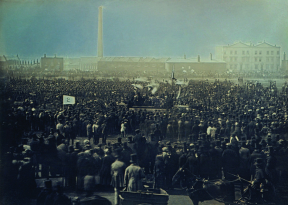
Jacob Olivey wanted Year 8 to know that ordinary people in the nineteenth century constructed their own identities. In this reflection on how his practice developed in his training year, Olivey illustrates the importance of using historical scholarship in choosing foundational knowledge to teach. He shows how he used that...
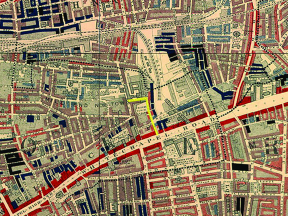
Struck by his GCSE students’ bewildered expressions when studying source extracts, Liam McDonnell decided to adopt a new approach to source analysis. Inspired by the work of other history teachers, McDonnell decided to use an anthology of substantial sources when studying nineteenth-century Whitechapel in London. By revisiting the sources at...
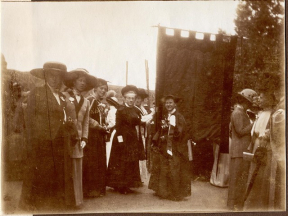
The beginnings of the nationally organised campaign for women’s suffrage began with suffragists’ orchestration of the petition to Parliament in favour of female suffrage in 1866. The petition contained almost 1,500 names from across the country and was presented to parliament by the Liberal MP John Stuart Mill; it was...
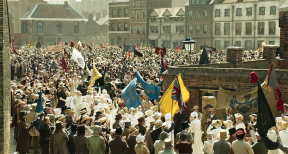
The film Peterloo dramatises the people and events that led to the infamous ‘Peterloo’ massacre in August 1819. Respected film-maker Mike Leigh created the film using historical records and sources from the period, as he and historical adviser Jacqueline Riding explained to the HA in a recent interview, which you...
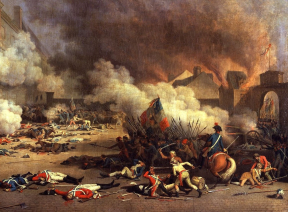
The Age of Revolutions is a period in history between c.1775-1848. Over the course of these years, society underwent a series of revolutions in almost all theatres of life: political, war, social and cultural, and economic and technological. Revolutionary ideas and revolutionary actions swept across the world, and historians still...
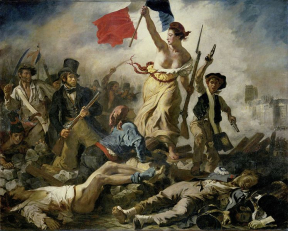
This podcast series was commissioned as part of the HA’s education programme on the Age of Revolutions period, funded by the Age of Revolution legacy project. They were recorded with leading academic historians and are intended to shed light on a variety of perspectives on the period. These podcasts were...
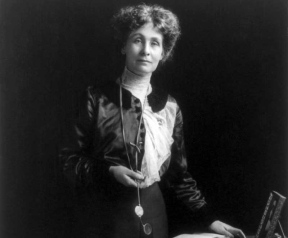
In Part 2 of our series on Social and Political Change in the UK 1800-present we look at the Women's Movement in the UK from its early origins through to the end of the 20th century Part 2 features Dr Anne Logan, Professor June Hannam and Ms Jean Spence. Also...
In the first part of this series we look at UK political history, political reform and the domestic impact of the World Wars. This series features Professor Eric Evans, Professor Stanley Henig, Professor Richard Grayson, Professor Keith Laybourn, Dr Daniel Todman and Dr Helen Parr. Also in the series: The...
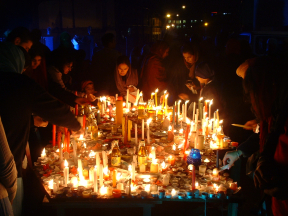
In Part 5 of our series on Social and Political Change in the UK 1800-present we look at religion in the U.K. This set of podcasts features Dr Janice Holmes of the Open University, Revd Dr Jeremy Morris, Dean, Fellow, and Director of Studies in Theology at King's College, Andrew...
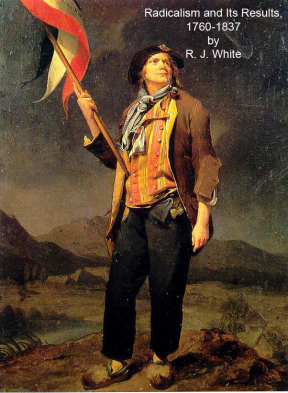
Radicalism with a large "R", unlike Conservatism with a large "C" and Liberalism with a large "L", is not a historical term of even proximate precision. There was never a Radical Party with a national organization, local associations, or a treasury. But there were, and there are, "Radicals", generally qualified...
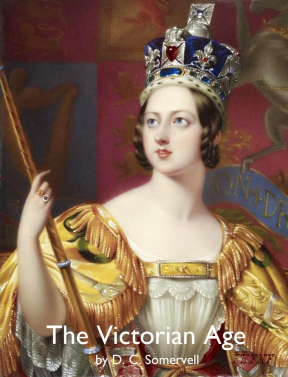
This Classic Pamphlet was published in 1937 (the centenary of the accession of Queen Victoria, who succeeded to the throne on June 20, 1837). Synopsis of contents: 1. Is the Victorian Age a distinct 'period' of history? Landmarks establishing its beginning: the Reform Bill, railways, other inventions, new leaders in...
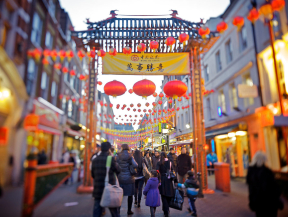
In Part 3 of our series on Social and Political Change in the UK we look at diversity in the UK and examine African and Caribbean UK History, South Asian UK History and British Chinese History. The first set of podcasts feature Dr Hakim Adi, Marika Sherwood, Dr Sumita Mukherjee...