
Britain & Ireland 1745-1901

In Part 4 of our series on Social and Political Change in the UK since 1800 we focus on UK LGBTQ+ History. This series of podcasts features Dr Matt Cook and Dr Sean Brady of Birkbeck, University of London, Professor Sally R Munt of the University of Sussex and Dr...
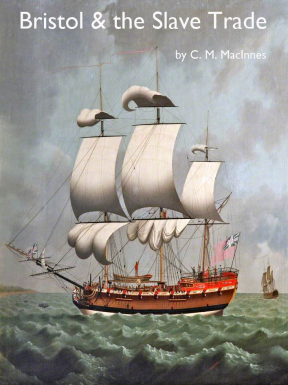
Captain Thomas Wyndham of Marshfield Park in Somerset was on voyage to Barbary where he sailed from Kingroad, near Bristol, with three ships full of goods and slaves thus beginning the association of African Trade and Bristol. In the late sixteenth and seventeenth centuries, Bristol was not a place of...
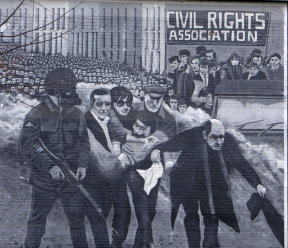
An HA Podcasted Series on Modern Irish History featuring Professor Peter Gray, Dr Fearghal McGarry & Dr Stuart Aveyard of Queen's University of Belfast and Dr Matthew Kelly of the University of Southampton.
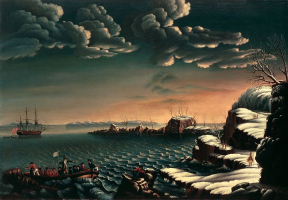
An HA Podcasted History of the early British Empire featuring Professor Trevor Burnard of the University of Warwick, Professor Stephen Conway of University College London, Dr Jon Wilson of King's College London, Professor Gad Heuman of the University of Warwick.
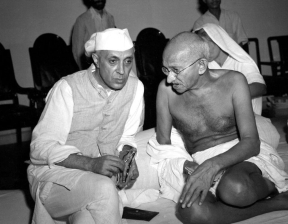
An HA Podcasted History of the British Empire 1800-Present featuring Dr Seán Lang of Anglia Ruskin University, Dr John Stuart of Kingston University London, Professor A. J. Stockwell and Dr Larry Butler of the University of East Anglia.
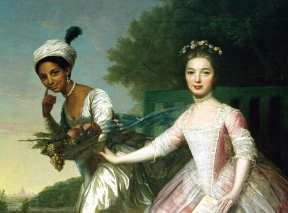
Drawing on her wealth of experience and expertise in using visual sources in the classroom, in this article Jane Card explores how a single painting, a portrait of Dido Elizabeth Belle Lindsay and her cousin Lady Elizabeth Murray, might form the basis for a sequence of lessons. Arguing that although...
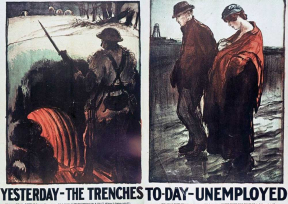
Is it a good thing to have a lot of evidence? Surely the historian would answer that yes, it is: the more evidence that can be used, the better. The problem with this approach, though, is that too much data can be overwhelming for the history student - and, in...
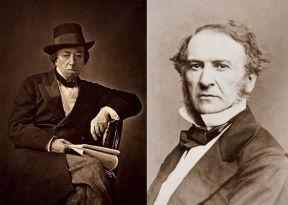
Sarah Black wanted to remedy Year 9's lack of knowledge about nineteenth-century politics. With just five lessons to work with, she decided to devise a sequence on Gladstone and Disraeli, shaping the sequence with an enquiry question that invited argument about change and continuity. Black analyses the status and function...
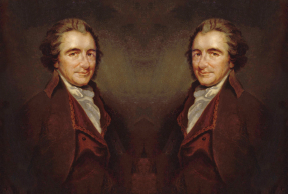
In this set of podcasts Emeritus Professor W. A. Speck of the University of Leeds looks at the life and ideas of Thomas Paine.
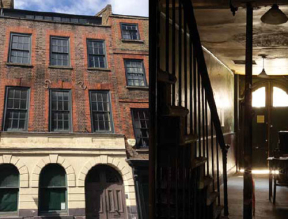
A host of histories: helping Year 9s explore multiple narratives through the history of a house Described by the author Monica Ali as a building that ‘sparks the imagination and sparks conversations', 19 Princelet Street, now a Museum of Diversity and Immigration, captivated the imagination of teacher David Waters. He...
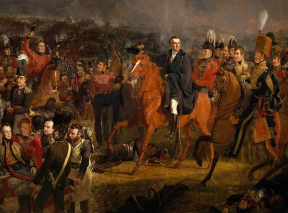
Defying the Iron Duke: assessing the Battle of Waterloo in the classroom The approaching bicentenary of the Battle of Waterloo has stimulated debate about how it should be commemorated. This article reports a collaboration between the Waterloo200 Committee and Tom Wheeley, history teacher, to create a lesson sequence analysing the...
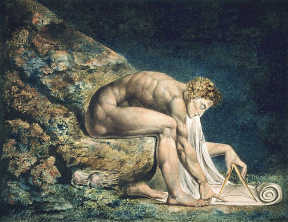
In this series of podcasts we take a look at the history of the Royal Society and the influence it has had on the history and development of science. This series features: Keith Moore, Head of Libraries and Archives at the Royal Society, Dr Jordan Goodman, Dr Patricia Fara of...
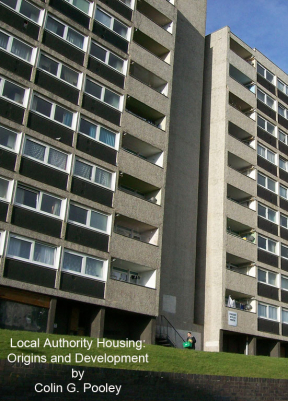
Local authority housing has been a distinctive feature of the British housing system throughout the twentieth century. This pamphlet outlines the development of local authority housing in Britain from its origins in the late nineteenth century to the present day, focusing on the ways in which policy changes have affected...
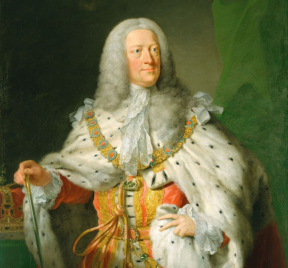
Making sense of the eighteenth century Pressures on curriculum time force us all to make difficult choices about curriculum content, but the eighteenth century seems to have suffered particular neglect. Inspired by the tercentenary of the accession of the first Georgian king and the interest in the Acts of Union...
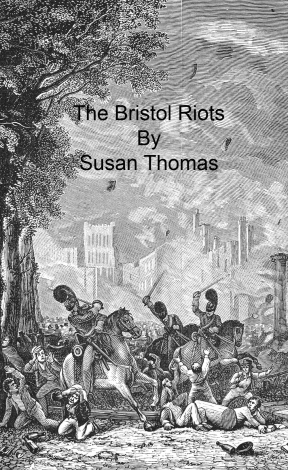
In 1831, Bristol suffered the worst outbreak of urban rioting since the Gordon Riots in London over fifty years earlier. Twelve rioters were officially declared to have died as a result of confrontations with troops and special constables, and many more unidentifiable corpses were discovered among the ruins of the...
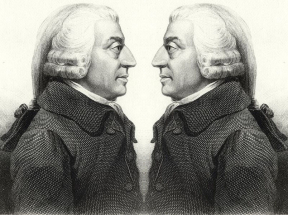
Adam Smith 1723-1790 Adam Smith was so pre-eminently one of the master minds of the eighteenth century and so obviously one of the dominating influences of the nineteenth, in his own country and in the world at large, that is somewhat surprising that we are so ill-informed regarding the details...
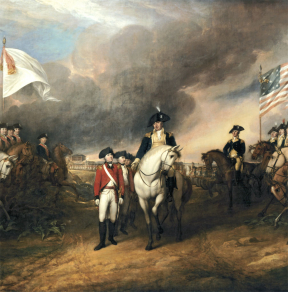
(1) Problems of an Empire in ruinsTwo weeks after Yorktown, but before the news of that disaster had reached England, George III wrote to Lord North that "The dye is now cast whether this shall be a great Empire or the least dignified of European states." England had not fought...
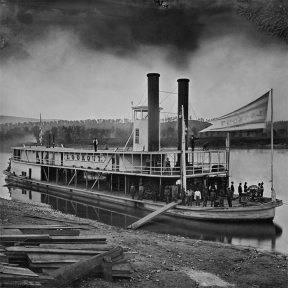
From the time when primitive man first went adrift on a bundle of reeds or learnt to balance himself on a floating log, to the days where his descendants, no more than a few generations ago, raced scrambling aloft to trim the towering sails of a full-rigged ship, the skill...
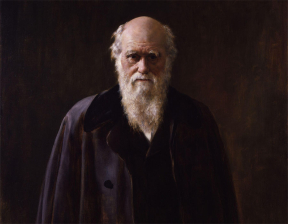
In this set of podcasts Project Director Professor Jim Secord and Associate Director Dr Alison Pearn of the Darwin Correspondence Project discuss the life, work and legacy of Charles Darwin.
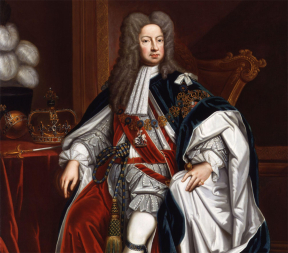
In this podcast Lucy Worsley of Historic Royal Palaces looks at the early Georgians, the changing relationship between Parliament and Monarchy and Court Politics under George I and George II.