
Evidence

This page is for those new to the published writings of history teachers. Every problem you wrestle with, other teachers have wrestled with too. Quick fixes don't exist. But if you discover others' writing, you'll soon find - and want to join - something better: an international conversation in which...
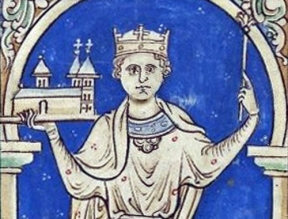
Wrestling with Stephen and Matilda: planning challenging enquiries to engage Year 7 in medieval anarchy McDougall found learning about Stephen and Matilda fascinating, was sure that her pupils would also and designed an enquiry to engage them in ‘the anarchy' of 1139-1153 AD. Pupils enjoyed exploring ‘the anarchy' and learning...
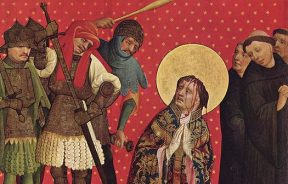
Jane Card has long been fascinated by the power of visual sources to stimulate pupil thought and discussion. In previous articles she has shared insights from her own expert practice, fusing deep subject knowledge with careful planning to generate highly skilful questioning. Here she presents another rich example of classroom...

Using pupil dialogue to encourage sophisticated engagement with source material - even at GCSE! Frustrated by the mechanistic approach that their pupils were using when working with historical sources, Tim Jenner and Paul Nightingale sought to experiment with a method of teaching sources which eschewed practice source questions in favour...
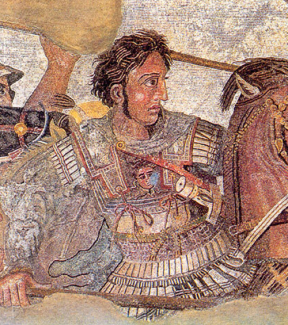
Did Alexander really ask, ‘Do I appear to you to be a bastard?' Using ancient texts to improve pupils' critical thinking Beth Baker and Steven Mastin make the case for teaching ancient history in the post-14 curriculum. Pointing out the damaging messages that could be conveyed by assuming that ancient...

The following plan provides a more detailed practical example of the approaches discussed in the article on using ancient texts. Having puzzled over what ancient texts actually are - carefully constructed interpretations? testimonies? (but testimonies to what?) myths? - I wanted my Ancient History GCSE class to engage in this...
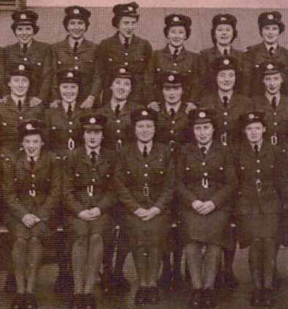
This article, by Lynda Abbott and Richard Grayson, offers a fascinating example of collaboration between school and university, focused on the development of a community archive. The project - run as an extra-curricular activity - was originally inspired by a concern to preserve the personal stories of those whose lives...
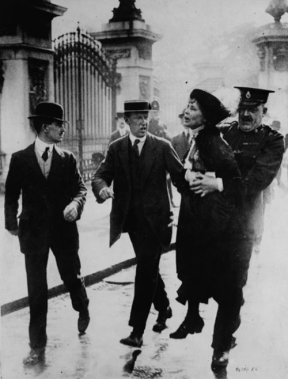
Visual sources, Jane Card argues, are a powerful resource for historical learning but using them in the classroom requires careful thought and planning. Card here shares how she has used visual source material in order to teach her students about the women's suffrage movement. In particular, Card shows how a...
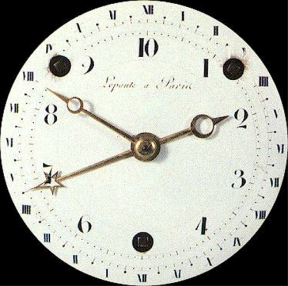
Arthur Chapman presents a task-specific scaffold - a ‘dart' board - designed to teach students how to interrogate sources of information so that these become sources of evidence for particular claims about past actions, beliefs and aims. Chapman also uses his ‘dart' board to foster students' reflection on the degrees...
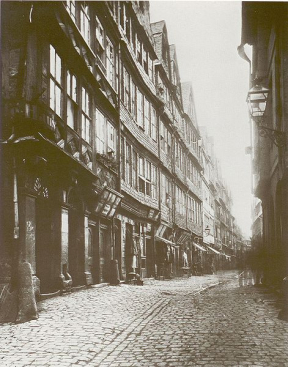
Holocaust imagery is very familiar, clichéd even. How can we get pupils thinking about it in novel ways and seeing differently? Phillips reports work completed with his PGCE students, proposes a scaffold of questions with which to deconstruct images and applies it to archive images and to Hollywood representations. Images...
Headteachers, Hungarians and hats: using family photos to bring the diversity of Jewish lives to life It is 9.35am on a wet Tuesday. As the rain falls outside, fingers twitch in a Y ear 9 history classroom. The instruction is given and 28 pairs of hands spring into action, rifling...
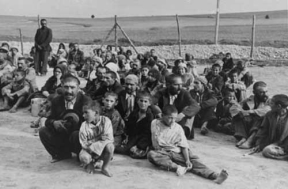
Students make sense of new learning on the basis of their prior understandings: we cannot move our students' thinking on unless we understand what they already know. In this article, Edwards and O'Dowd report how they set out to scope a group of Y ear 8 students' prior learning and...
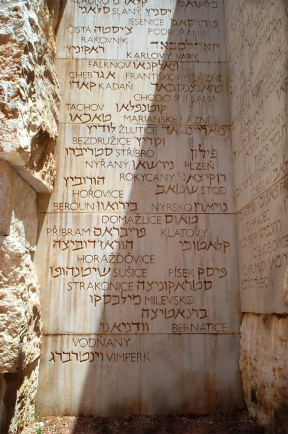
Peter Morgan represents what is best about the reflective practitioner - an experienced teacher of some 15 years' standing, he continues to challenge himself and to seek ways to improve and develop his classroom practice. Deeply influenced by the pedagogy and resources that he encountered on the CPD of the...
In this powerfully argued article Paul Salmons focuses directly on the distinctive contribution that a historical approach to the study of the Holocaust makes to young people's education. Not only does he question the adequacy of objectives focused on eliciting purely emotional responses; he issues a strong warning that turning...
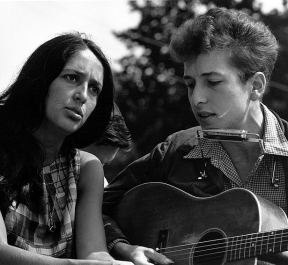
No edition of Teaching History devoted to creativity could be complete without returning to the riches that popular songs offer to historians and history teachers alike. The five Bob Dylan songs that Christopher Edwards explores here are chosen not merely for their ‘literary qualities' and ‘emotional charge'; they also provide...
Please note: this article pre-dates the 2014 National Curriculum and some content may be outdated. What role does knowledge play in the interpretation of documentary materials? How do history students use what they know? What kind of knowledge really ‘makes the difference' and which ways of using knowledge make the...

Nutshell, what's the National Curriculum Attainment Target on about when it contrasts "information" and "evidence"? Aren't they the same thing? They aren't really things. The contrast is between ways of thinking about knowledge rather than between things. Pardon me? One way of talking about knowledge involves ‘looking things up': we...
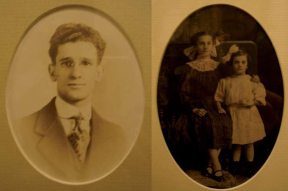
Please note: this article pre-dates the 2014 National Curriculum and some content may be outdated. Pupils are eternally curious about their teachers. Do they really have lives outside the classroom? Could Miss Jones have once been a child? Does she have parents and grandparents and a past of her own?...
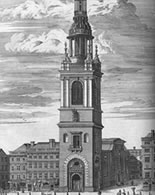
British History Online is the digital library containing some of the core printed primary and secondary sources for the medieval and modern history of the British Isles. Created by the Institute of Historical Research and the History of Parliament Trust, we aim to support academic and personal users around the...
The household returns and ancillary records for the censuses of Ireland of 1901 and 1911, which are in the custody of the National Archives of Ireland, represent an extremely valuable part of the Irish national heritage. Click here to go to the site: National Archives of Ireland