
Politics
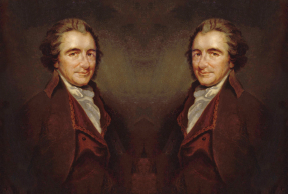
In this set of podcasts Emeritus Professor W. A. Speck of the University of Leeds looks at the life and ideas of Thomas Paine.
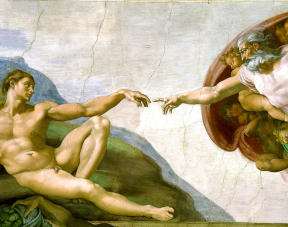
In this podcast Dr Gabriele Neher of the University of Nottingham provides an introduction to the Renaissance.
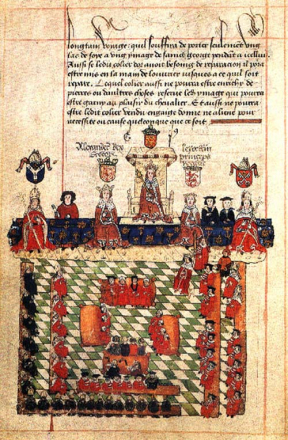
In this set of podcasts we look at how power and politics have changed in England from the Iron Age to the twentieth century.
In order to define the constitution of a state, theorists and historians still apply Aristotle's categories; monarchy, aristocracy, and democracy. This method has obvious limitations; there can be no doubt that the formal sovereignty either of an individual or of a minority or a majority does not of itself suffice...
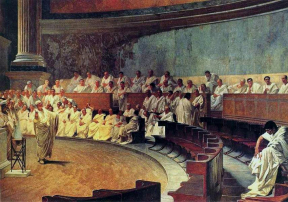
In this series of podcasts Dr Federico Santangelo of the University of Newcastle looks at the rise and fall of the Roman Republic.
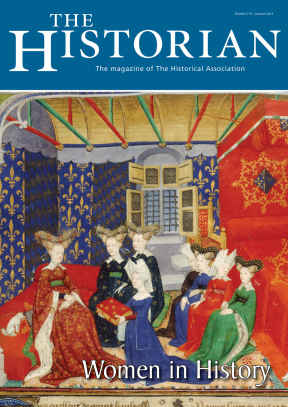
5 Editorial 6 Queenship in Medieval England: A Changing Dynamic? - Louise Wilkinson (Read article) 12 Petticoat Politicians: Women and the Politics of the Parish in England - Sarah Richardson (Read article) 17 The President's Column 18 Strange Journey: the life of Dorothy Eckersley - Stephen M. Cullen (Read Article)...
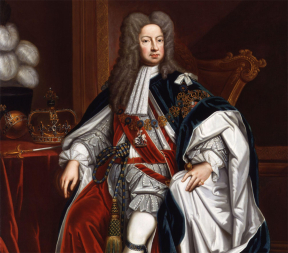
In this podcast Lucy Worsley of Historic Royal Palaces looks at the early Georgians, the changing relationship between Parliament and Monarchy and Court Politics under George I and George II.
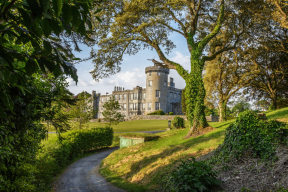
This series of podcasts featuring Professor Sean Connolly and Professor David Hayton of Queen's University Belfast looks at Irish History from 1500-1800. Topics covered include Tudor Ireland, the Eleven Years War, Restoration Ireland, the significance of the reigns of James II and William III and politics in Ireland during the...
2012 Annual Conference LectureShot by both sides: Punk, Politics and the collapse of consensus in BritainMatthew Worley: Reader in History, University of ReadingThis paper examines the way in which organisations of the far left and far right endeavoured to appropriate elements of British youth culture to validate their analysis of...
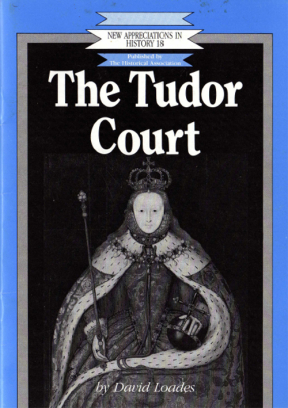
In 1976, in one of his challenging Presidential addresses to the Royal Historical Society, Professor Geoffrey Elton drew attention to the importance of the court as a ‘point of contact' between the Tudors and their subjects. It was, he suggested, a central and essential aspect of personal government, but in...
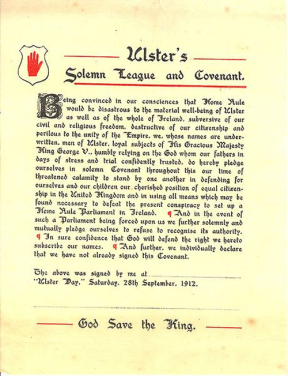
It is difficult to exaggerate the importance of Irish unionism for British and Irish politics in the late nineteenth and early twentieth centuries. The movement was supported almost exclusively by Irish Protestants who were of Anglo-Irish or Scotch-Irish descent and who comprised roughly one-quarter of the population of Ireland. Its...
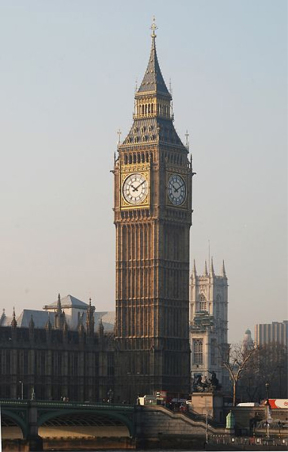
He who would seek the origins of parliament cannot proceed without knowing that this is, and this has been, a matter much controverted. English politics have very often been conducted in terms of what has passed for history, not least because they have so frequently revolved around the rights and...
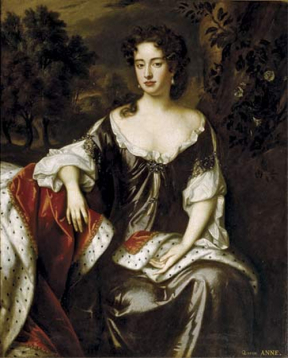
There was hardly anything in Great Britain which political thinkers on the continent of Europe in the eighteenth century admired more than its limited monarchy. But what were the limitations? Were they deliberate or not? Were they effected by acts of parliament or by the silent encroachments of usage? Did...
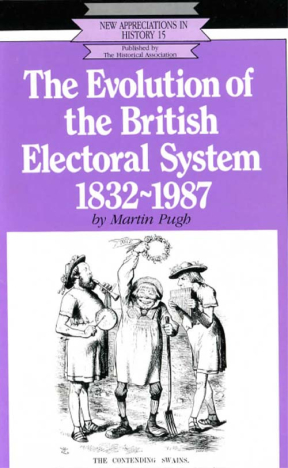
During the last 20 years our perspective on the great Victorian question of parliamentary reform has noticeably changed. We have acquired a comprehensive picture of the organisation and political socialisation of those who won the vote; and some interesting debates have developed about the social characteristics of the electors and...
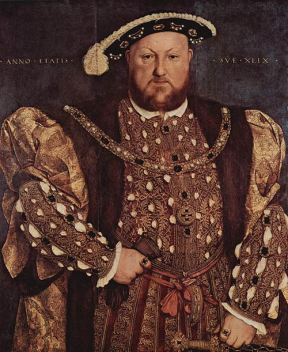
'This wicked Tower must be fed with blood' - W. S. Gilbert's dialogue sums up the popular myth of Tudor England. This pamphlet looks at the reality, a society and politics necessarily divided into rival factions by the pulls of patronage, local loyalty and the implications of personal monarchy, and...
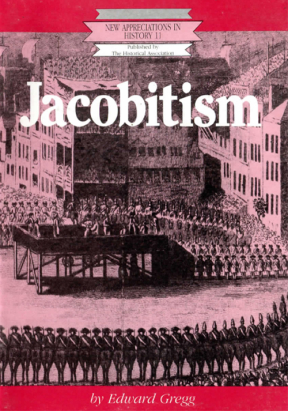
In recent years, the debate over the nature, extent, and influence of the Jacobite movement during the 70 years following the Glorious Revolution of 1688 has become one of the new growth industries among professional historians, spawning scholarly quarrels almost as ferocious as those which characterised ‘the Cause' itself.The term...
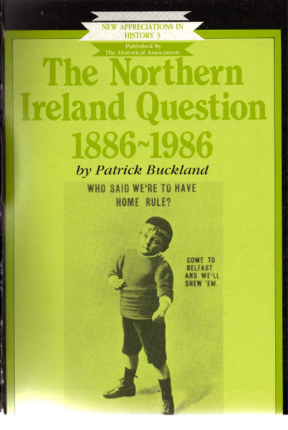
The nature of the rights of majorities and minorities is one of the most intractable of the issues raised by the Northern Ireland question, especially since much depends on definitions. Ulster Protestants are a majority in that province but a minority in both Ireland and the United Kingdom, while Catholics,...
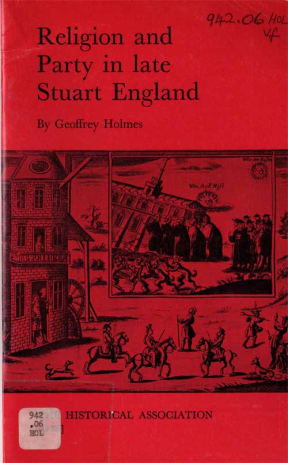
The second English Revolution of the seventeenth century, the Revolution of 1688, ushered in during the next twenty-five years a series of changes which were to be profoundly important to the ultimate development of the country. Most conspicuously, the reigns of William III and Anne released Englishmen - though not...
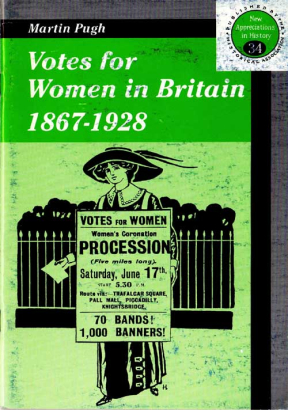
This classic pamphlet takes you through the Votes for Women in Britain movement from its origins to its eventual success, following the case for women's suffrage presented, tactics and strategies, the anti-suffragist argument, party political complications, international perspectives, the Pankhursts and militancy, the revival of non-militant suffragism, the impact of...
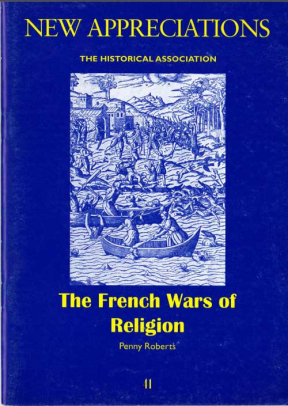
This classic pamphlet takes you through the French reformation, the first, second and third war of religion, The St Bartholomew's Day massacre and the Fourth War, the later wars, the Catholic League, Henry IV, the nobility, the towns, confessional violence, social contexts and warfare and its costs.