
Power
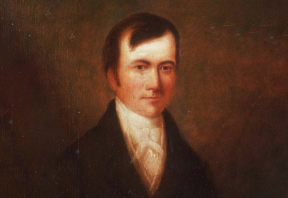
Ym Mhennod 9, mae Dr Eryn White (Prifysgol Aberystwyth) yn trafod pwy oedd mewn grym yng Nghymru ym 1714, y berthynas newidiol rhwng Cymru a'r Deyrnas Unedig ehangach a'r datblygiadau allweddol a ddigwyddodd yng Nghymru rhwng 1714-1785. Mae Dr White yn myfyrio ar ehangu cyflym print a llythrennedd yng Nghymru...
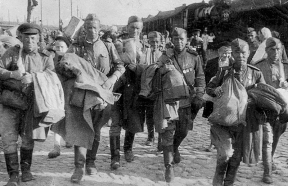
Stalinism overshadows Soviet history. Few historical subjects are more controversial. Historians have read the years before 1928 as Stalin’s long rise to power, those after 1953 as an extended reckoning with the Stalinist dictatorship. Definitions of Stalinism fix the features, policies, and practices that constituted Stalin’s personal dictatorship between 1928...
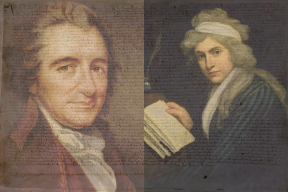
From royal courts to radical protests, from industrial revolutions to global empires – this compelling new film series traces the dramatic evolution of power, rights, and freedom across three centuries of British and Irish history. We will trace Britain and Ireland’s transformation from 1714 to 2010, unpacking power struggles, social...
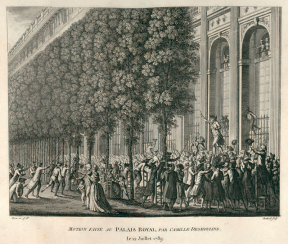
Recognising a significant return to stories in the history classroom, Holliss and Carroll wanted to think carefully about what this meant for A-level history. While stories had always been present in their classrooms, they wanted to experiment with the methods of the ‘new storytellers’, building lessons, then sequences of lessons,...
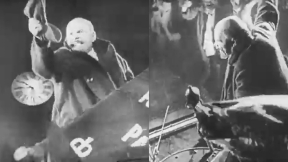
(Student and corporate secondary members can view these films in our Student Zone) Two men – Trotsky and Lenin – symbolise the Russian Revolution for most people. While Trotsky came to an icy end in Mexico, Lenin remains an enduring figure in the history of Russia and the history of...
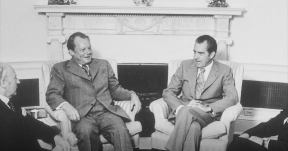
Germany as a divided and defeated nation is explored through the lens of how the two new Germanys rebuilt their States politically and culturally. Professor Anna Saunders reflects on the different inequalities that existed between the two states and how stability was established between political leaders, even when political dissent...
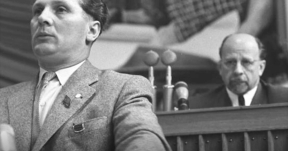
Professor Matthew Stibbe examines the key political leaders of West and East Germany and how their decisions and responses to political events shaped their international relationships and the lives of the divided German population under their control. He also looks at the opposition and resistance these governments faced domestically during...
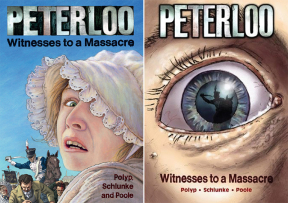
While previous work on historical interpretations has focused students’ attention on the particular questions that historians have been asking or the context in which they have been posing those questions, less attention has been paid to the process of historical narration itself – the decisions that are made in telling...
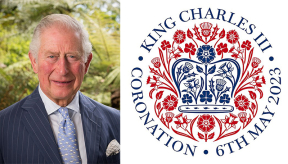
2023 will see the first coronation of a British monarch for 70 years. Only those now in their 70s or above will remember the last one. The UK is the only country in Europe still to carry out a coronation, a ceremony that has its roots in traditions over a...
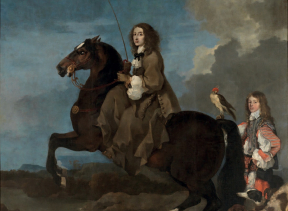
‘Royal Studies’ is much more than the study of kings and queens as individuals. It draws in their families, the institution of monarchy and monarchical government, court studies, relationships with the church, artistic and literary patronage, and more. While history ‘from below’ and studies of non-elite figures have enriched the...
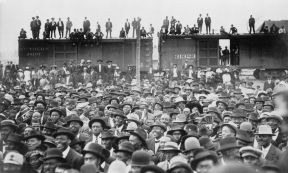
The US civil rights battles of the latter half of the twentieth century are a common part of popular culture - and yet the detail is often overlooked in favour of the headlines. It is a positive step that so many of us now know the names of Rosa Parks...
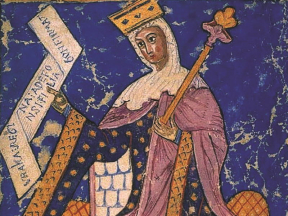
How was the power of a Queen described and how far did It extend? In this article some of the most important queens of the Medieval period are examined for the authority they were able to wield. When we think of queens, the idea that they are extraordinary women, elevated...
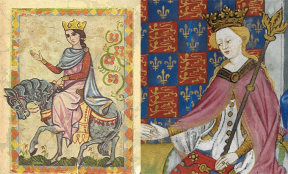
Dissatisfied by her previous enquiries on medieval kingship and inspired by Helen Castor’s 'She-Wolves', Elizabeth Carr sought to incorporate the stories of powerful medieval women such as Empress Matilda and Eleanor of Aquitaine into her Key Stage 3 curriculum. Carr used these stories to highlight to her pupils the crucial...
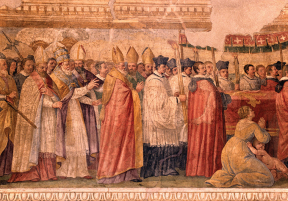
Much has been written in recent years about how historical scholarship can be used to shape practice in the classroom. As an historian of the medieval period now working as an history teacher, Dhwani Patel offers a fresh perspective on these debates. During her PGCE year, Patel found herself reflecting...
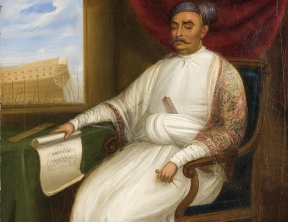
The historiography of the British Empire has taken a long course since the era of decolonisation. Political histories of the late twentieth century considered the mechanisms connecting crises at the ‘periphery’ with metropolitan decision-making. One rather overused stereotype was the so-called ‘man on the spot’ pushing empire forward, be they...
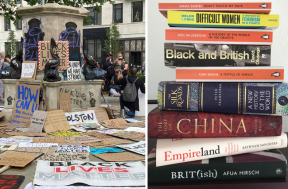
In this article, Theo Woods shares the experience of one history department as they embarked on a substantial process of curriculum review and development. The department sought to address concerns that the range of history taught in their school, across the full seven years of students’ secondary experience, was too...
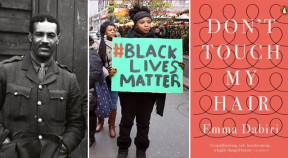
In this article, Dan Lyndon-Cohen makes the case that history departments should move from diversifying the curriculum to decolonising it. After reflecting on some examples of how he made the content of his lessons more representative, he explores how the influence of writers such as Michel-Rolph Trouillot and Emma Dabiri...
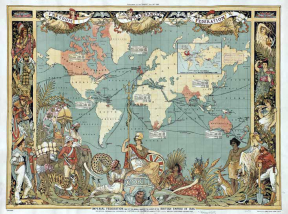
The murder of George Floyd during the summer of 2020 and the ongoing ‘culture war’ in Britain over the legacy of the British Empire have reignited interest in imperial history. This focuses, in particular, on the question of the empire’s impact on Britain itself: on how the act of conquering...
To address the urgent need for digital learning resources, and to address the imbalance of perspectives in the History curriculum, CARGO Classroom is now providing multimedia learning tools for Key Stage 3 History via a freely accessible, interactive website: cargomovement.org/classroom “CARGO is about doing. We talk a lot. We talk...
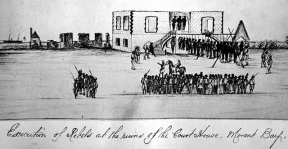
Nathanael Davies explains his radical rethink of how to teach transatlantic slavery. He explains how he came to question his earlier approach of focusing on the causation of ‘abolition’ and ‘emancipation’ and, instead, allowed scholarship, sources and his own students’ meaning-making to guide him to a different, and much more...