
Power
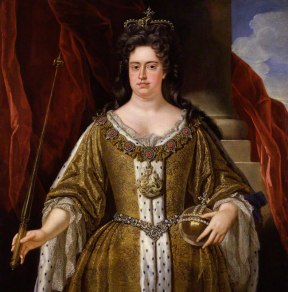
In June 2012 the Historical Association and Historic Royal Palaces joined forces to offer a fantastic CPD opportunity in line with the Queen's diamond jubilee. Two CPD events around the theme of Royal Women charted the private histories of queens of the past from within the walls of their palaces....
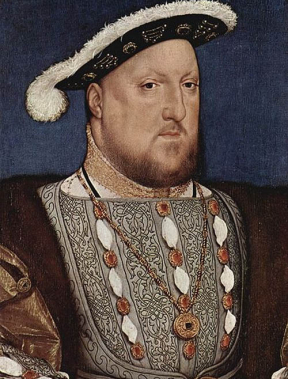
What shall we think of Henry VIII? However that question has been or may be answered, one reply is apparently impossible. Not even the most resolute believer in deterministic interpretations of history seems able to escape the spell of that magnificent figure; I know of no book on the age...
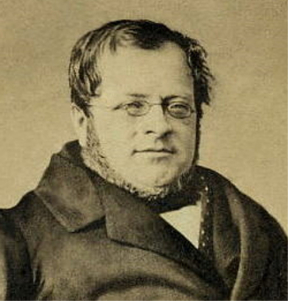
It may seem a little perverse to write a pamphlet on Cavour in 1972, the centenary year of the death of Mazzini, but no doubt there will be more than one publication on Mazzini to mark the occasion. To pretend that the two men had much in common would be...
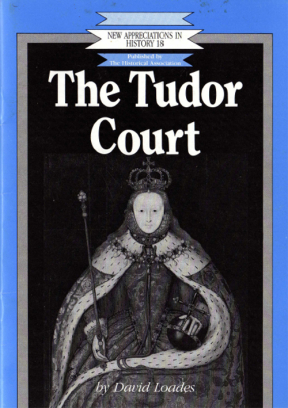
In 1976, in one of his challenging Presidential addresses to the Royal Historical Society, Professor Geoffrey Elton drew attention to the importance of the court as a ‘point of contact' between the Tudors and their subjects. It was, he suggested, a central and essential aspect of personal government, but in...
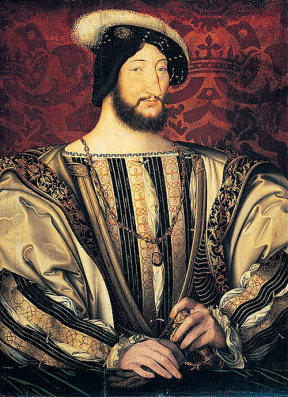
Francis I of France reign lasted for more than thirty years and coincided with movements as significant as the Renaissance and the Reformation. Text-books are apt to gloss over the domestic history of France before the outbreak of the Wars of Religion and convey the impression that Francis was more...
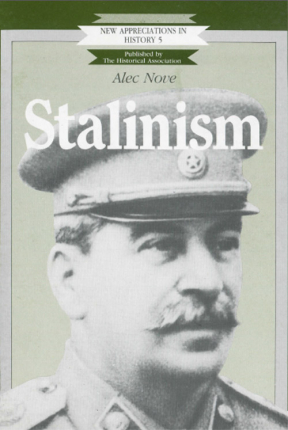
Stalin's remarkable career raises quite fundamental questions for anyone interested in history. Marxists, whose philosophy should cause them to downgrade the role of ‘great men' as an explanation of great events, have problems in fitting Stalin into the materialist interpretation of history: did not this man ride rough-shod over the...
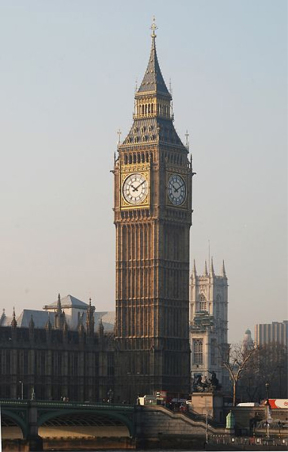
He who would seek the origins of parliament cannot proceed without knowing that this is, and this has been, a matter much controverted. English politics have very often been conducted in terms of what has passed for history, not least because they have so frequently revolved around the rights and...
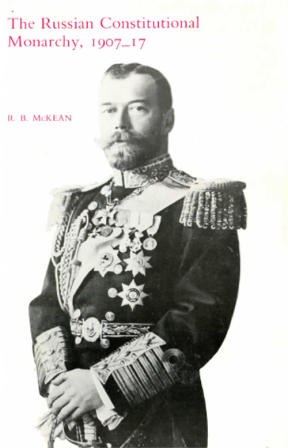
The defeat of the revolution of 1905 afforded the absolutist Tsarist monarchy an opportunity to reform the administration and to seek a new basis of support in place of the declining gentry class. Historians have been divided ever since over the constitutional system's chances of success. Had Tsardom advanced far...
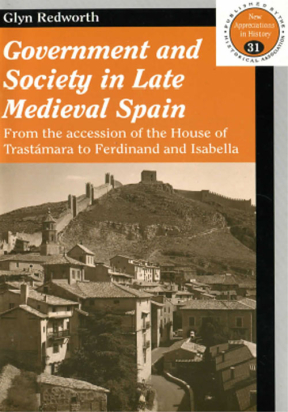
Government and Society in Late Medieval Spain: From the accession of the House of Trastámara to Ferdinand and IsabellaThe history of late medieval Spain is usually seen as a tiresome introduction to the reigns of the Catholic Monarchs, Ferdinand and Isabella. Modern historians tend to portray them as ‘new monarchs',...
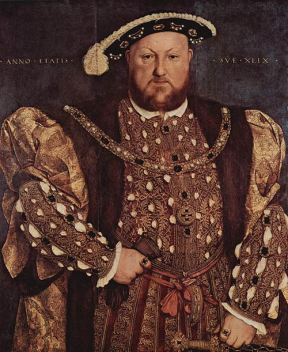
'This wicked Tower must be fed with blood' - W. S. Gilbert's dialogue sums up the popular myth of Tudor England. This pamphlet looks at the reality, a society and politics necessarily divided into rival factions by the pulls of patronage, local loyalty and the implications of personal monarchy, and...
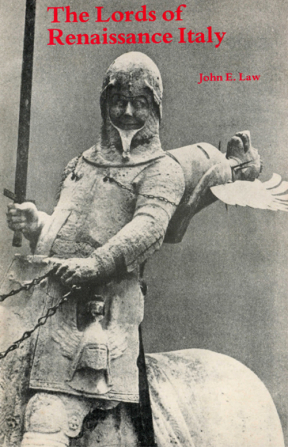
The Lords of Renaissance Italy: the signori, 1250-1500 Among the many city states into which Italy was divided in the late medieval and early modern period, the republics of Florence and Venice are comparatively well known. Republicanism was not, however, the most common form of government. This pamphlet deals with...
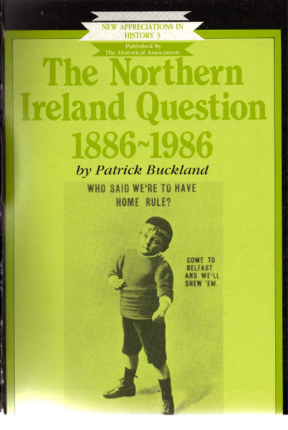
The nature of the rights of majorities and minorities is one of the most intractable of the issues raised by the Northern Ireland question, especially since much depends on definitions. Ulster Protestants are a majority in that province but a minority in both Ireland and the United Kingdom, while Catholics,...
Louis XIV was born on 5 September 1638 and became King on May 14 1643 at the age of four years and eight months on the death of his father Louis XIII. He attended the Conseil d'en haut from 1649 when he was eleven years old. He announced his coming...
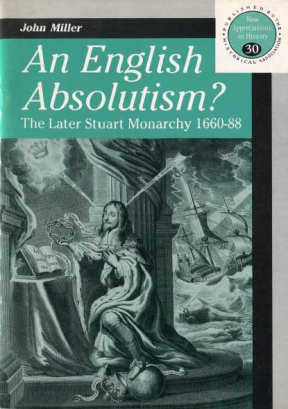
The term 'Absolutism' was coined in France in the 1790s, but the concept which described it was familiar to many Englishmen in the late seventeenth century. They talked of 'absolute monarchy', 'tyranny', 'despotism' and above all 'arbitrary government'. Their use of such terns were pejorative: they described political regimes of...
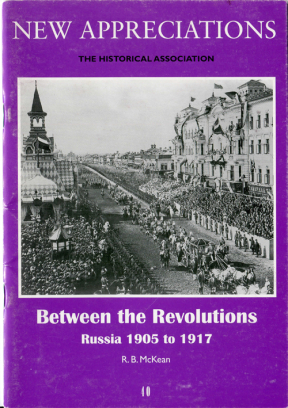
"The key question is this - is the peaceful renovation of the country possible? Or is it possible only by internal revolution?"This quotation succintly expresses the problem that faced both contemporaries and subsequant generations of historians confronting the development of Russia between the revolutions of 1905 and 1917. The upheavals...
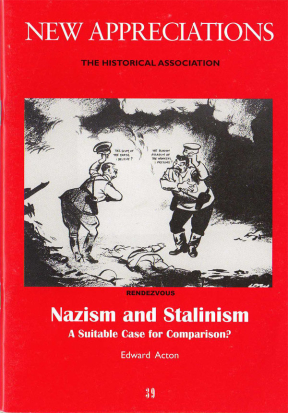
Is it legitimate to compare the Nazi and Stalinist regimes? There might seem little room for doubt. It is often taken as self-evident that the two regimes were variations of a common type. They are bracketed together in school and university courses, as well as text books, under labels such...
Indisputably, the United States of America has been and continues to be the leading power of the twentieth century. No country or people, however large or small, has been immune from American influence. A succession of American presidents have become international celebrities whose personal strengths and weaknesses are discussed and...
On 12 December 1474, the news reached the Castillian city of Segovia, north-west of Madrid, that Henry IV, king of Castile, had died. After the proper ceremonies had been conducted in memory of the deceased monarch, his sister, Isabella, was proclaimed queen of Castile in that place. There was much...

What role do individuals wielding great power play in determining significant historical change? And how do historians locate human agency in historical change, and explain it? These are the issues I would like to reflect a little upon here. They are not new problems. But they are inescapable ones for...
Z.A.B. Zeman uncovers a fateful link between Czechoslovakia’s brief monopoly of uranium in Europe and the country’s subordination to the USSR. The great uranium rush started in 1943 and lasted for about seven years. Unlike the gold rushes of the past, uranium did not promise untold riches to individuals but...