
Power
An HA Podcasted History of the British Empire 1800-Present featuring Dr Seán Lang of Anglia Ruskin University, Dr John Stuart of Kingston University London, Professor A. J. Stockwell and Dr Larry Butler of the University of East Anglia.
On the 30th June 2015, The Cromwell Association, held a series of round table discussions at Selwyn College, Cambridge. This set of podcasts feature Professor Ronald Hutton of the University of Bristol, Professor John Morrill and Dr David Smith of the University of Cambridge and Dr Patrick Little from the...
This podcast feature Professor Mark Philp of the University of Warwick discussing how people's perceptions of democracy changed between 1750 and 1850 and is based on the findings of the Re-imagining democracy project, begun in 2005 by Joanna Innes and Mark Philp. Re-imagining Democracy: 1750-1850 1. Introduction. Democracy from negative...
What precedents were there to Magna Carta? Why was the charter originally drawn up and signed in 1215? Why was it reissued during the thirteenth century? Would “ordinary” people have been aware of Magna Carta? How effective was Magna Carta as means to controlling medieval kings? Why was it resurrected...
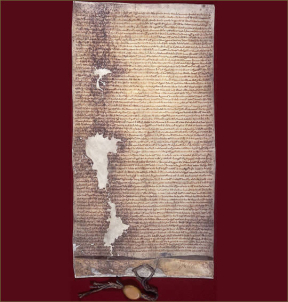
Magna Carta is a document not only of national but of international importance. Alexander Lock shows how its name still has power all over the world, especially in the United States. Although today only three of its clauses remain on the statute book, Magna Carta still flourishes as a potent...

Michael T. Davis compares the parallels between the democratic expectations, or possibilities, of modern-day China with Britain's democratic evolution from the eighteenth century to the emerging democracy of the nineteenth century. The future is an unfamiliar place for historians. Yet we stand on the edge of an historic shift away...
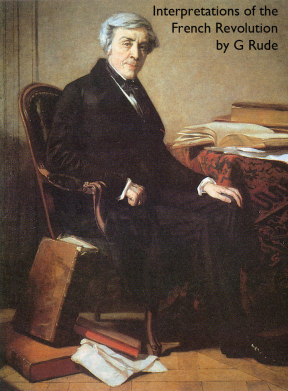
The French Revolution raises many questions not least: What sort of Revolution was it - one of "poverty" or "prosperity" ? a bourgeois revolution that overthrew feudalism? A national struggle for liberty, democracy, or "eternal Justice" ? or, again, a criminal conspiracy against the old social order? What did it...
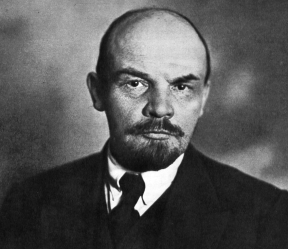
An HA Podcasted History of Russia and the USSR featuring Dr Beryl Williams, Dr Jonathan Davis of Anglia Ruskin University, Dr Edwin Bacon of Birkbeck University of London and Professor Peter Waldron of the University of East Anglia.
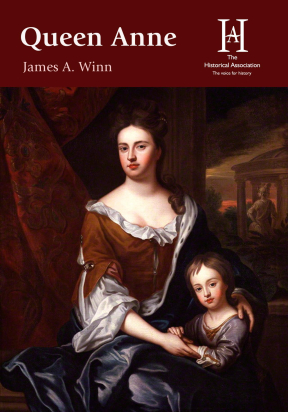
In this pamphlet, James Anderson Winn, author of a recent biography of Queen Anne, recommends a new approach to historians writing about this successful and popular queen. Female, overweight, and reticent, Anne has long been underestimated. Her letters, however, show how well she understood the motives of her ministers, and...
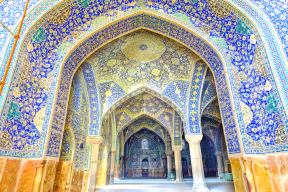
In this set of podcasts Emeritus Professor Gerald Hawting of SOAS, University of London provides an introduction to the Umayyad (661-750) and Abbasid (750-1258) Caliphates.
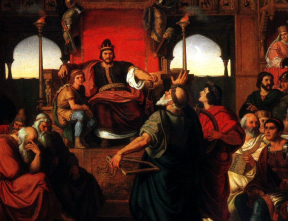
In this series of podcasts Professor Peter Heather of King's College London looks at the history of the Goths, the Huns, the division of the Roman Empire and the fall of the Roman Empire.
In order to define the constitution of a state, theorists and historians still apply Aristotle's categories; monarchy, aristocracy, and democracy. This method has obvious limitations; there can be no doubt that the formal sovereignty either of an individual or of a minority or a majority does not of itself suffice...
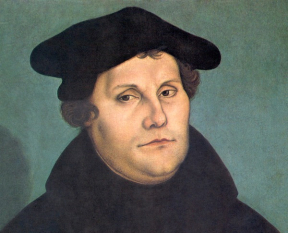
An HA Podcasted History of the Reformation featuring Professor Peter Marshall, Dr Henry Cohn, Dr Penny Robert and Professor Beat Kümin of Warwick University.
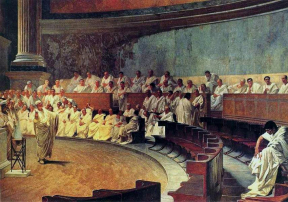
In this series of podcasts Dr Federico Santangelo of the University of Newcastle looks at the rise and fall of the Roman Republic.
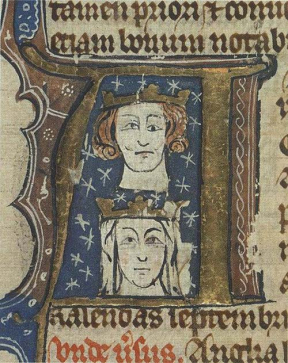
In the winter of 1235-6, Eleanor, the 12 year old daughter of Count Raymond-Berengar V of Provence and Beatrice of Savoy, left her native homeland. She travelled to England to marry King Henry III, a man 28 years her senior whom she had never met. The bride and her entourage...
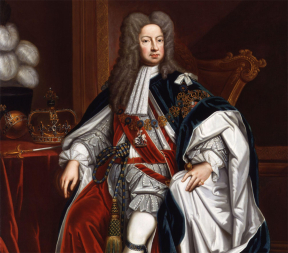
In this podcast Lucy Worsley of Historic Royal Palaces looks at the early Georgians, the changing relationship between Parliament and Monarchy and Court Politics under George I and George II.
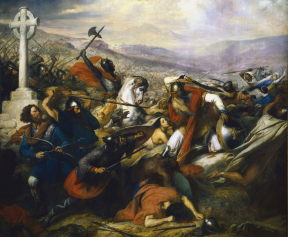
In this HA Podcast Series Professor Joanna Story of the University of Leicester discusses Charlemagne and the Carolingian Empire.
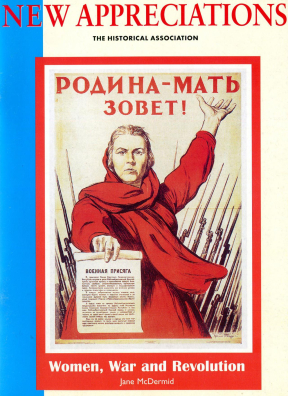
On the surface, the period 1914 to 1945 seems to have encompassed massive changes in the position of women in Europe, in response to the demands of war and revolution. Yet historians have questioned the extent of the transformation, since the acquisition of the vote, as well as improvements in...
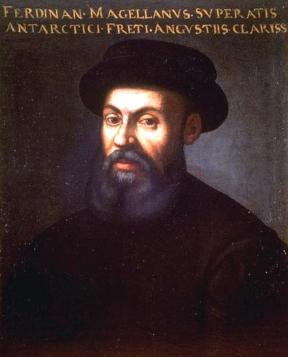
This pamphlet covers a very large period of history in a very important region with great detail and focus. Themes that are covered include the transition of power and dominance in the pacific region, the conflicts that frequently arose in the struggle for pacific dominance throughout the centuries, as well...
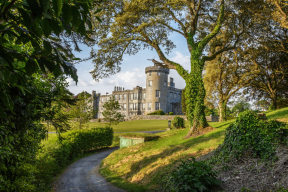
This series of podcasts featuring Professor Sean Connolly and Professor David Hayton of Queen's University Belfast looks at Irish History from 1500-1800. Topics covered include Tudor Ireland, the Eleven Years War, Restoration Ireland, the significance of the reigns of James II and William III and politics in Ireland during the...