
Change and continuity
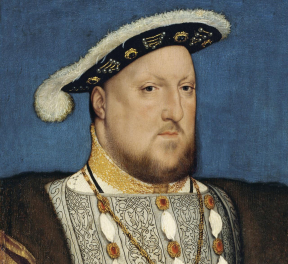
Warren Valentine was dissatisfied with his Year 7 students’ accounts of change across the Tudor period. Fixated with Henry VIII’s wives, they failed to reflect on or analyse the bigger picture of the whole Tudor narrative. In order to overcome this problem, his department created a ‘thought-map’ exercise in which...
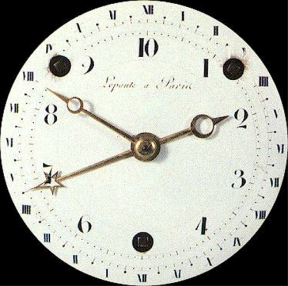
Frustrated by the traditional narrative of the industrial revolution as a steady march of progress, and disappointed by her students’ dull and deterministic statements about historical change, Hannah Sibona decided to complicate the tidy narrative of continual improvement. Inspired by an article by E.P. Thompson, Sibona reflected that introducing her...
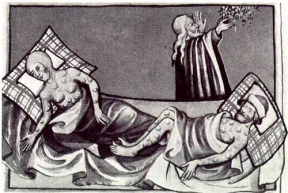
I started teaching ‘crime and punishment through time’ thematically a few years ago. I was teaching it as a Schools History Project ‘study in development’. We had moved from ‘medicine through time’ in order to keep things fresh. After six times through the content, much as I loved it, crime,...

Inspired by the news that Bristol had become the UK’s first Green Capital, Kate Hawkey, Jon James and Celia Tidmarsh set out to explore what a ‘Green Capital’ School Curriculum might look like. They explain how they created a cross-curricular project to deliver in-school workshops focused on the teaching of...

Thematic studies have been a long-standing feature of the Schools History Project (SHP) GCSE specifications in England and Wales; but for teachers of ‘Modern World’ GCSE specifications, the thematic study in the new GCSE specifications for teaching in England from September 2016 is unfamiliar territory. Perhaps you are entirely new...
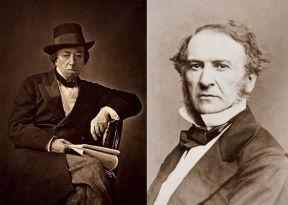
Sarah Black wanted to remedy Year 9's lack of knowledge about nineteenth-century politics. With just five lessons to work with, she decided to devise a sequence on Gladstone and Disraeli, shaping the sequence with an enquiry question that invited argument about change and continuity. Black analyses the status and function...
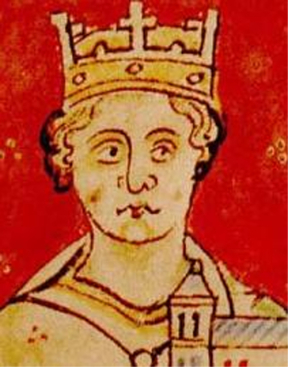
Typical teaching of King John and Magna Carta focuses either on the weakness of John or the importance (as Whig historians would see it) of Magna Carta. The first question is a bit boring and the second discussion unhistorical. This enquiry sequence is designed for students aged 11 to 13....
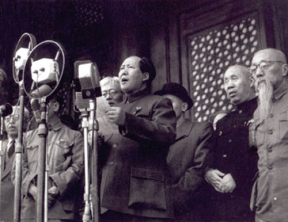
For all that history teachers appreciate the need to build substantive knowledge and conceptual understanding systematically over time, they are also likely to have experienced that sickening moment when they realise that a Year 11 pupil has somehow missed something fundamental. In Anna Fielding's case, her pupil's misconception was related...
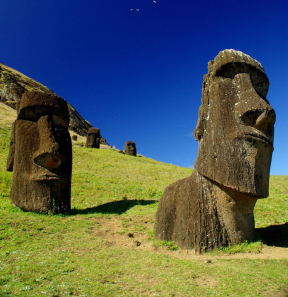
Moving forward, looking back - historical perspective, ‘Big History' and the return of the longue durée: time to develop our scale hopping muscles ‘Big history' is a term receiving a great deal of attention at present, particularly in North America where considerable sums of money have been invested in designing...
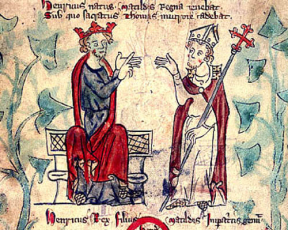
Bridging a twenty-year gap in their practice, Elizabeth Carr and Christine Counsell bring out the similarities in their use of timelines in their planning, teaching and assessment. What they also have in common is the fact that their experimentation with timelines as a way of strengthening cumulative knowledge emerged in...
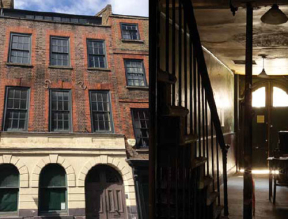
A host of histories: helping Year 9s explore multiple narratives through the history of a house Described by the author Monica Ali as a building that ‘sparks the imagination and sparks conversations', 19 Princelet Street, now a Museum of Diversity and Immigration, captivated the imagination of teacher David Waters. He...

Unpacking the suitcase and finding history: doing justice to the teaching of diverse histories in the classroom It has become a truism that Britain is a multi-cultural society yet, as Mohamud and Whitburn argue, there is still a great deal of thinking to be done by history teachers in accounting...
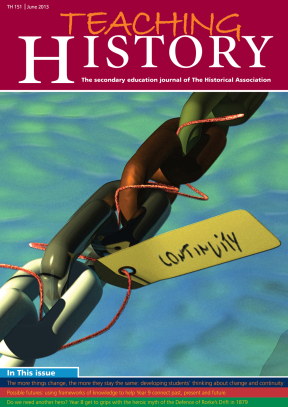
02 Editorial 03 HA Secondary News 04 HA Update 08 Rachel Foster - The more things change, the more they stay the same: developing students' thinking about change and continuity (Read article) 18 Polychronicon: The Revolution of 1688 - Ted Vallance (Read article) 20 Cunning Plan: The 'Glorious' revolution of...
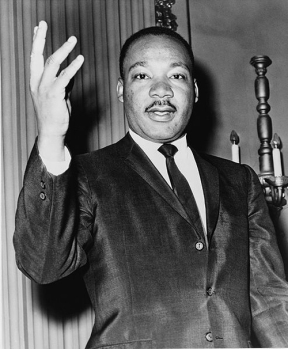
The more things change, the more they stay the same: developing students' thinking about change and continuity Finding ways to characterise the nature of change and continuity is an important part of the historian's task, yet students find it particularly challenging to do. Building on her previous work on change,...
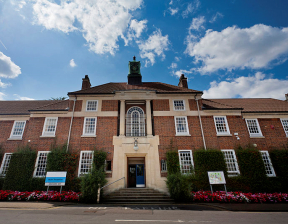
Where's the other ‘c'? Year 9 examine continuity in the treatment of mental health through time Helen Murray, Rachel Burney and Andrew Stacey-Chapman show how they strengthened three goals of their practice - secure knowledge, narrative shapes and conceptual analysis - by securing strong connection between them. The curricular focus...
This page is the starting point for all who are new to the published writings of history teachers. Every problem you wrestle with, other history teachers have wrestled with too. Quick fixes don't exist. But if you discover others' writing, you'll soon find - and want to join - something...
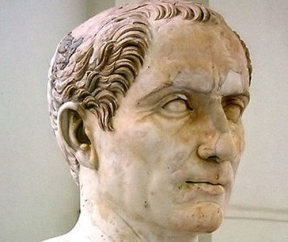
A case study in professional thinking Michael Fordham examines the evolution of his own practice as an example of how history teachers draw upon collective, professional knowledge constructed by other history teachers in journals, books, conferences and seminars. Fordham explains how a particular Year 7 enquiry examining historical change from...
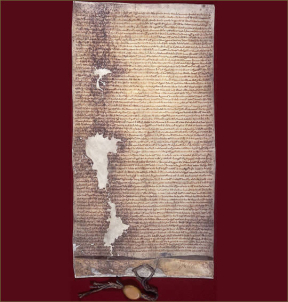
First order knowledge and understanding, relating to the ‘stuff' of history, is, of course, absolutely fundamental to the development of children's historical knowledge and understanding. However, as Frances Blow shows, in a contribution to a series of articles exploring second order concepts in history published in Teaching History by Peter...
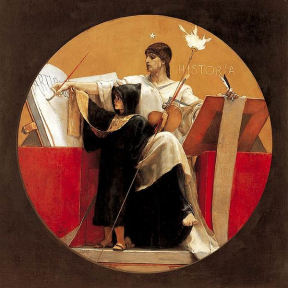
Please note: This unit was produced before the 2014 National Curriculum and therefore while much of the advice is still useful, there may be some out of date references or links. For more recent resources on key concepts, see our What's the Wisdom on series. The key concepts can be...
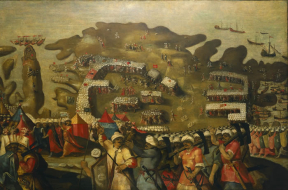
The small-scale research that Yosanne Vella reports in this article was driven by concern to help pupils develop ‘big picture' visions of the past and to engage effectively with the idea of change as a process rather than an event. The strategy that she adopts - asking groups of students...