
Diversity in the past

The past was full of diverse people and our students are entitled to learn about this diverse past. History lessons should enable students to see their connection to the past and to understand the world today. Here are a list of questions for history teachers to use to support a...
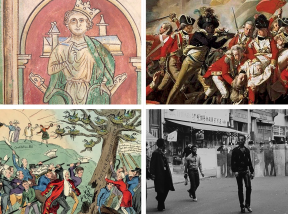
Have you ever felt that teaching significance at Key Stage 4 is hard with a limited cast of characters? Do students ask questions that you don’t have the resources to answer? Are you stuck for sources that push the standard narratives of key topics? These four workshops will fix that:...
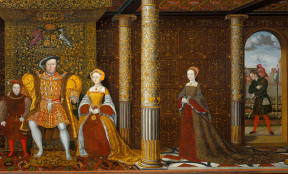
After listening to a talk by historian Phillipa Vincent-Connolly and following this up with reading about disability in history, Alex Fairlamb examined her own department’s teaching to consider how effectively it included narratives of disabled people. This was the beginning of a productive journey. She concluded that much more needed...
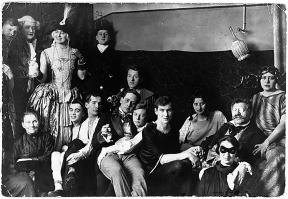
In this article, Jacob Thorpe relates his attempts to humanise the teaching of Nazi persecutions by focusing on individuals’ experiences and identity. Deep immersion in the sources enabled him to find the stories fitting his key themes of love, community, identity and culture. Thorpe built on the work of other...
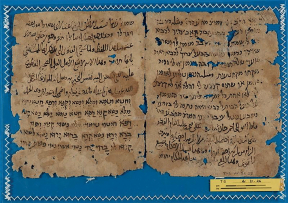
A conversation with some undergraduate students prompted Rob Kanter to explore how his own historical research on Jewish–Muslim relations could be integrated into the history curriculum in secondary schools. Kanter identified two stories of Muslim rescue during the Holocaust which he shares here to empower teachers to challenge misconceptions and...
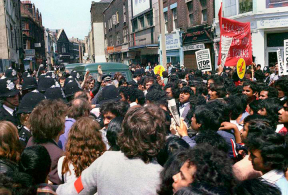
In this article, Joel Sharples explains the organising principles that underpinned his planning for a new enquiry sequence inspired by a local photography exhibition. The exhibition’s title ‘Brick Lane 1978: The Turning Point’ prompted him to think afresh about the idea of ‘a turning point’ – a concept that he...
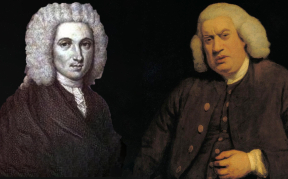
In Episode 6, Dr Declan Kavanagh (University of Kent) discusses the development of ideas around, and responses to, disability in Britain and Ireland in the 18th century. Dr Kavanagh examines the definition given in Samuel Johnson’s Dictionary in 1755 and looks at the medical and charity models of responding to...
In Episode 4, Dr Montaz Marché (University College London) and Professor Ryan Hanley (University of Exeter), discuss the lives and experience of 18th century Black Britons. In this discussion they look at the lives of both the exceptional and the ordinary, and reflect upon the politics of race and gender...
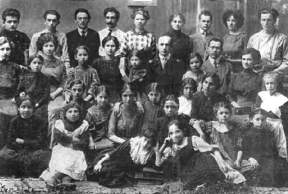
When Alistair Dickins came to teach A-level Russian and Soviet history (1855–1964) he was rather surprised by the very limited references to Jewish history within the exam board specification. His own detailed knowledge in this area (a ‘little side-project’ from his doctorate on the Russian Revolution), led to a revision...
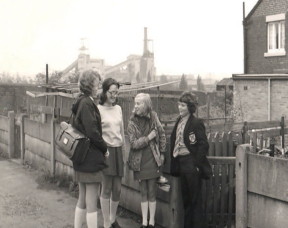
Students’ rapt response to a filmed interview with a former miner now working as part of the school’s premises team convinced Fred Oxby of the power of local stories. This was not simply because they captured students’ attention, nor even because such stories enabled them to see that history was...
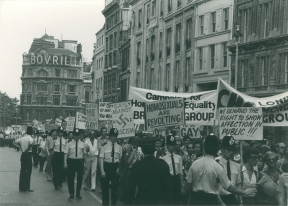
While academic historians began to make important contributions to our understanding of British LGBTQ+ history in the 1970s (and, indeed, this built on historical scholarship from as early as the 1880s), the field of British queer history became properly established within university history departments and mainstream academic scholarship from the...
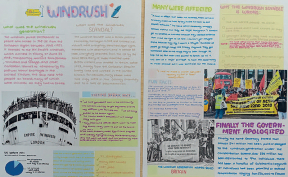
Mark Fowle began work on an enquiry to contextualise the Windrush scandal for his pupils in south London, in response to the first national Stephen Lawrence Day, in 2018. He went on to work with his colleagues in a new school to broaden pupils’ historical perspective through stories of migration...
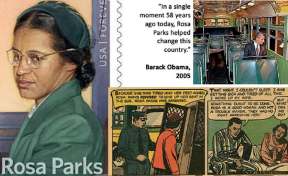
Inspired by Jeanne Theoharis’s biography of Rosa Parks, Ed Durbin initially planned to challenge the ‘fable’ that had been constructed around her life. He soon realised, however, that he wanted to take the opportunity to get ‘behind’ the fable and help his students understand how and why it had been...
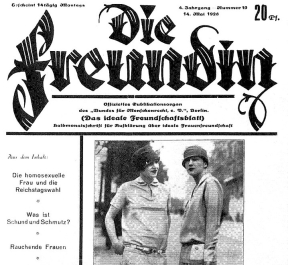
Berlin staged its first Christopher Street Day celebration in 1979. This queer pride event commemorated the Stonewall riots that took place a decade earlier in New York City, and it has continued to be a popular annual event in Germany. Its celebration of a landmark moment in American history, however,...
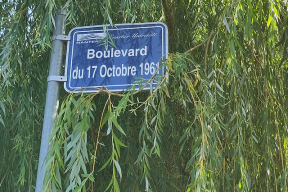
3 July 2024 marks the 50th anniversary of a significant, yet little known, event in French history: the declaration of an end to the recruitment of economic migrants. Over the previous decades, some three million migrant workers had arrived to surprisingly little fanfare, building the economic growth later mythologized by...
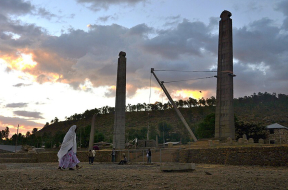
This Cunning Plan details an enquiry that I developed in order to achieve two curricular goals: to diversify our historical content and to help students to improve their disciplinary thinking and writing about similarity and difference. The enquiry addresses medieval Africa, specifically the East African kingdom of Aksum (approximately 300...
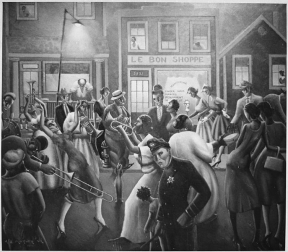
Inspired by reading the work of Stephen Tuck, Ellie Osborne set out to design a new sequence of lessons that would help her students adopt a longer lens on the American civil rights movement. At the same time, Osborne wanted to put more emphasis on the agency and campaigns of...
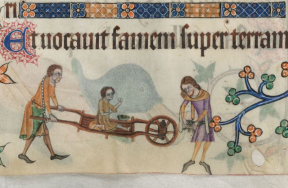
Disabled people are part of the fabric of every society past and present, yet the stories, achievements and struggles of disabled people have often been hidden or marginalised by societies who refuse to adapt. Coping with disability, societal attitudes towards disability and the stories, voices and contributions of disabled people...
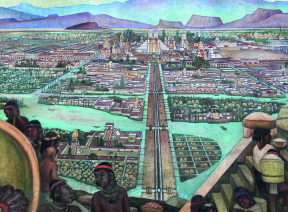
After discussing a new book about the Mexica (Aztecs) during a routine meeting with a trainee teacher, Niamh Jennings decided to construct a sequence of lessons around the history of the Mexica Empire. Struck by the vivid storytelling of historian Camilla Townsend in her book Fifth Sun, and fascinated by...

Move Me On is designed to build critical, informed debate about the character of teacher training, teacher education and professional development. It is also designed to offer practical help to all involved in training new history teachers. Each issue presents a situation in initial teacher education/training with an emphasis upon...