
Diversity in the past
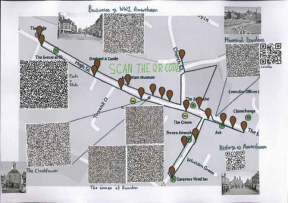
Why ‘do’ local history? The new (grades 9–1) GCSE specifications place a lot of importance on the local environment. The rationale for this is to get students to situate a site in its historical context, and to examine the relationship between local and national developments. Initially this change was the...

History teachers have frequently made recourse to character cards as a device to help young people, each assigned specific roles, to understand how different kinds of people responded in different ways to particular situations in the past. Edward FitzGerald builds on this tradition, demonstrating the value of using rich historical...
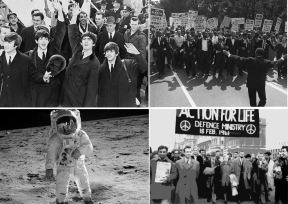
During her PGCE year, it became evident to Rachel Coleman just how much pupils struggled with the complicated nature of history. They were troubled in particular by the lack of definitive answers, by the range of perspectives that might be held at the time of a particular event or development...
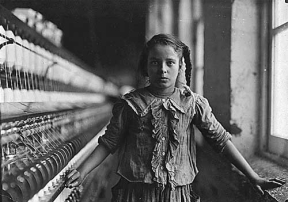
‘Disastrous and terrible.’ For Arnold Toynbee, the historian who gave us the phrase ‘industrial revolution’, these three words sum up the period of dramatic technological change that took place in Britain across the eighteenth and nineteenth centuries. We may not habitually use Toynbee’s description in the classroom, but it is...

Frustrated by the traditional narrative of the industrial revolution as a steady march of progress, and disappointed by her students’ dull and deterministic statements about historical change, Hannah Sibona decided to complicate the tidy narrative of continual improvement. Inspired by an article by E.P. Thompson, Sibona reflected that introducing her...
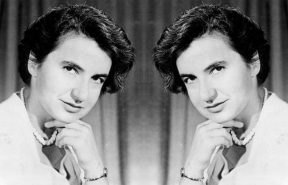
As postgraduate historians with teaching responsibilities at the University of York, Bridget Lockyer and Abigail Tazzyman were concerned to tackle some of the challenges reported by their students who had generally only encountered women’s history in a disconnected way through stand-alone topics or modules. Their response was to create a...
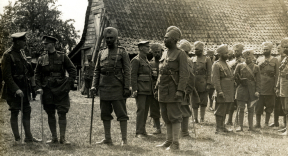
Nick Dennis shows how a ‘multidirectional memory’ approach to teaching history can move history teachers beyond seeing black history as separate or distracting from the history that must be aught at examination level. He gives examples of ways in which a diverse history can be built into examination courses, strengthening...
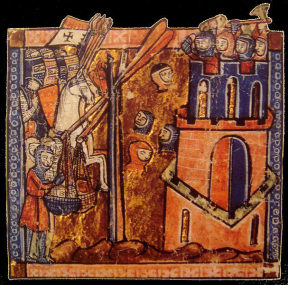
Taking new historical research into the classroom: getting medieval (and global) at Key Stage 3 Although history teachers frequently work with academic historical writing, direct face-to-face encounters with academic historians are rare in secondary history classrooms. This article reports a collaboration between an academic historian and a history teacher that...
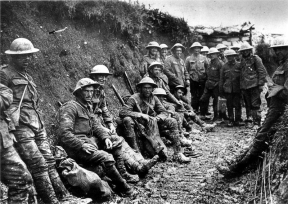
Year 9 think they know a lot about the First World War. After all, they read Michael Morpurgo's novel Private Peaceful in their English lessons all the way back in Year 7, they've seen Blackadder so many times they can recite it, and in the centenary year of the war's...
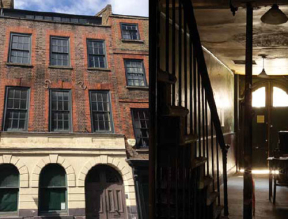
A host of histories: helping Year 9s explore multiple narratives through the history of a house Described by the author Monica Ali as a building that ‘sparks the imagination and sparks conversations', 19 Princelet Street, now a Museum of Diversity and Immigration, captivated the imagination of teacher David Waters. He...
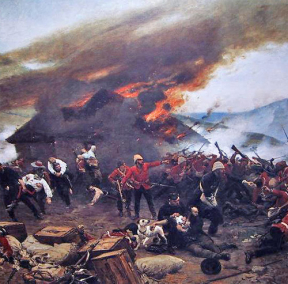
Do we need another hero? Year 8 get to grips with the heroic myth of the Defence of Rorke's Drift in 1879 Mike Murray shares a lesson sequence in which his students examined changing interpretations of the Battle of Rorke's Drift in 1879. Building on earlier work on teaching interpretations...
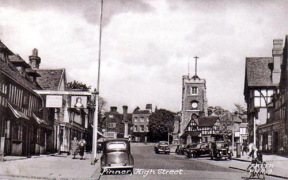
One street, twenty children and the experience of a changing town: Year 7 explore the story of a London street Michael Wood and others have recently drawn attention to the ways in which big stories can be told through local histories. Hughes and De Silva report a teaching unit through...
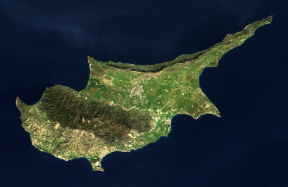
The Association for Historical Dialogue and Research (AHDR) is a Cyprus-based organization that works to foster dialogue among history teachers and other educators across the divide in Cyprus. In one of their UN-funded projects, ADHR members worked with UK colleagues to shape a lesson sequence and resources on the Ottoman...
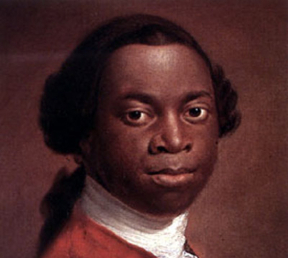
How a drink in the bar at the SHP conference - and discovery of a shared interest in ICT - led to the campaign for a Blue Plaque for an eighteenth-century abolitionist. What do the 1970 Brazil World Cup-winning team, Charles Darwin and Vanilla Ice all have in common? This...
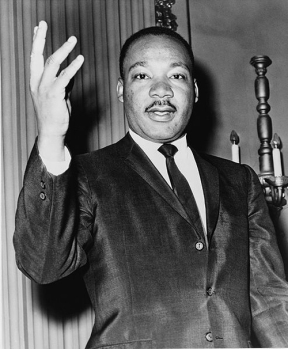
A school-designed, post-14 course on multi-cultural Britain since 1945 Robin Whitburn and Sharon Yemoh describe the design of a school-generated GCSE course on the challenges that British people faced in forging a multicultural society in post-imperial Britain. Drawing on their own research into their students' experience, they build a discipline-based...
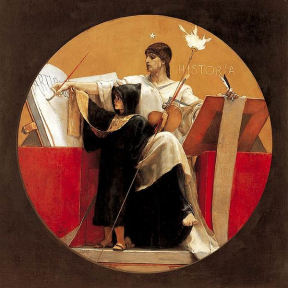
Joanne Pearson reflects on her experiences as a history teacher and teacher educator, considering the ways in which she has seen women represented in the history curricula of different schools in England. She makes the case that greater attention needs to be paid by history teachers to the criteria against...
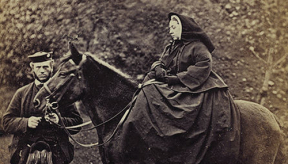
Developing Year 8 students' conceptual thinking about diversity in Victorian society Elizabeth Carr writes here about a new scheme of work she developed to teach students about diversity in Victorian society. When dealing with a concept such as diversity, it can be easy for students to slip into stereotypes based...
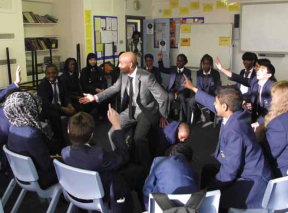
‘Doing justice to history': the learning of African history in a North London secondary school and teacher development in the spirit of ubuntu The medium is the message, Marshall McLuhan observed many years ago and the ‘form' of what we do carries ‘content' as Hayden White has argued. This article...
Wrestling with diversity: exploring pupils' difficulties when arguing about a diverse past How can we develop students' ability to argue about diversity? Sarah Black explores this question through classroom research that set out to help students think in complex ways about diversity, drawing on Burbules' work on conceptualising difference and...
How my interest in what I don't teach has informed my teaching and enriched my students' learning Flora Wilson argues here for the importance of maintaining a fascination with history as an academic subject for experienced, practising history teachers. Just as medical professionals keep their knowledge up to date by...